2026贵州乡村文化地理主题传播系列10|贵州“村咖”——把咖啡种进贵州山水里2026 Guizhou Rural Cultural Geography Theme Communication Series 10 - Guizhou "Village Coffee" - Planting Coffee in Guizhou Mountains and Rivers
这两年,贵阳市的红枫湖畔忽然“长”出了许多咖啡馆。
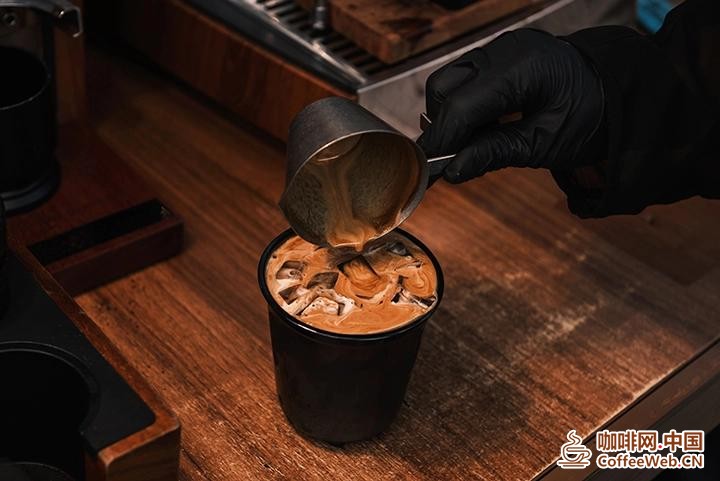
岑巩县桐木村,一杯制作中的咖啡 杨云/摄
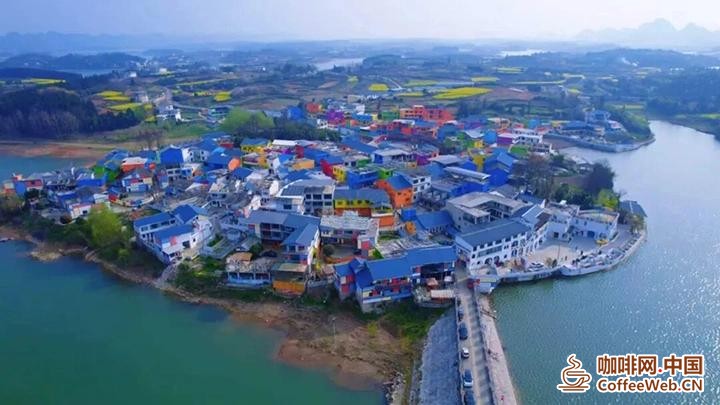
右二村 蒙安·夕舍/供图
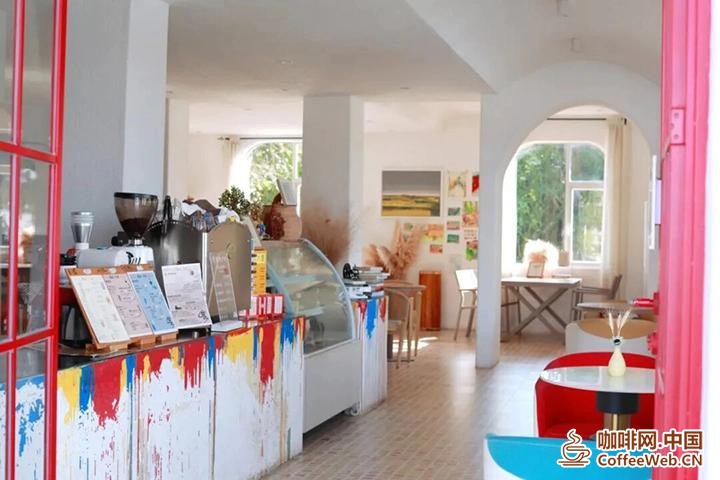
蒙安·夕舍咖啡馆 店家/供图
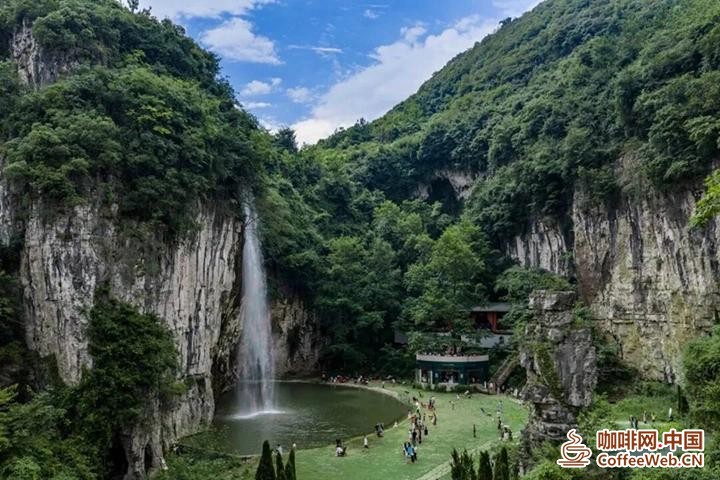
翁布洞穴瀑布咖啡 店家/供图
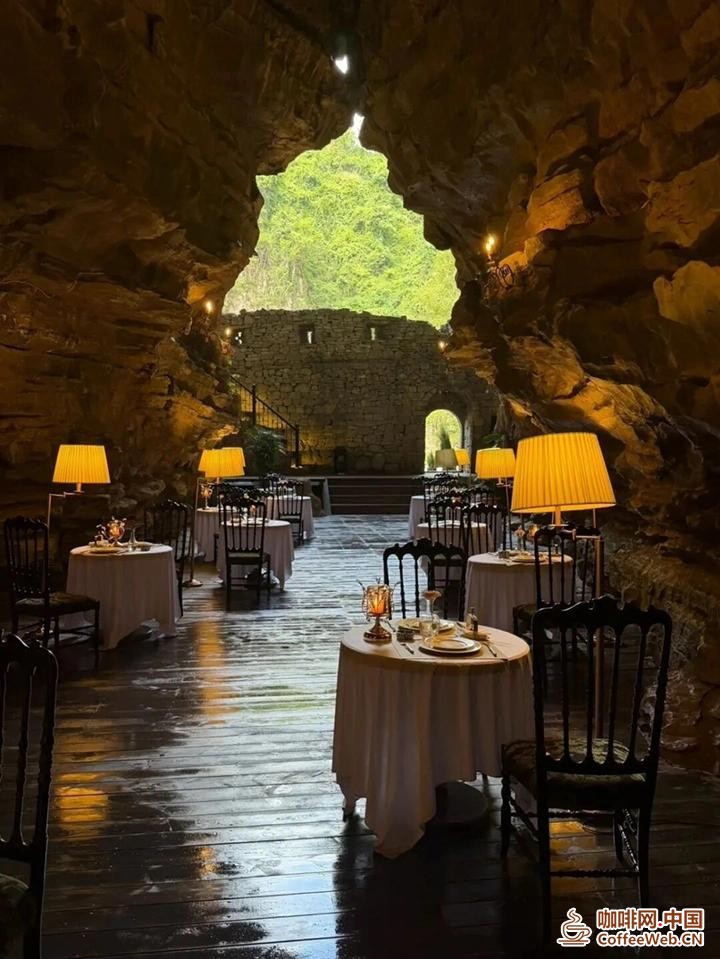
翁布洞穴瀑布咖啡 店家/供图
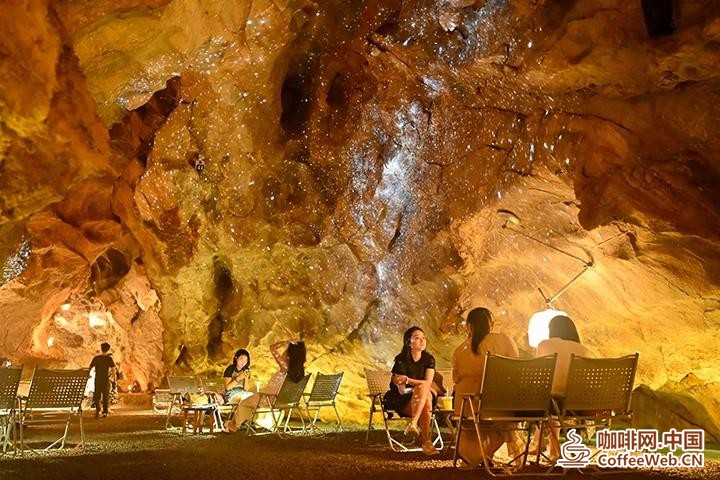
修文县香巴湖村岫XIU溶洞咖啡 袁福洪/摄
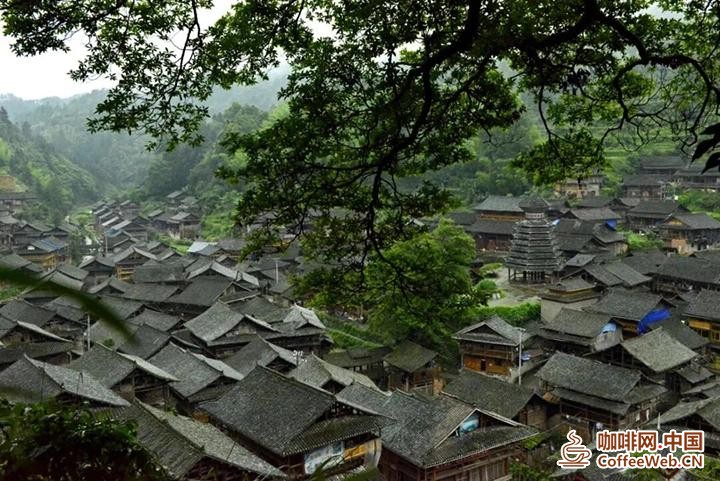
大利侗寨 王炳真/摄
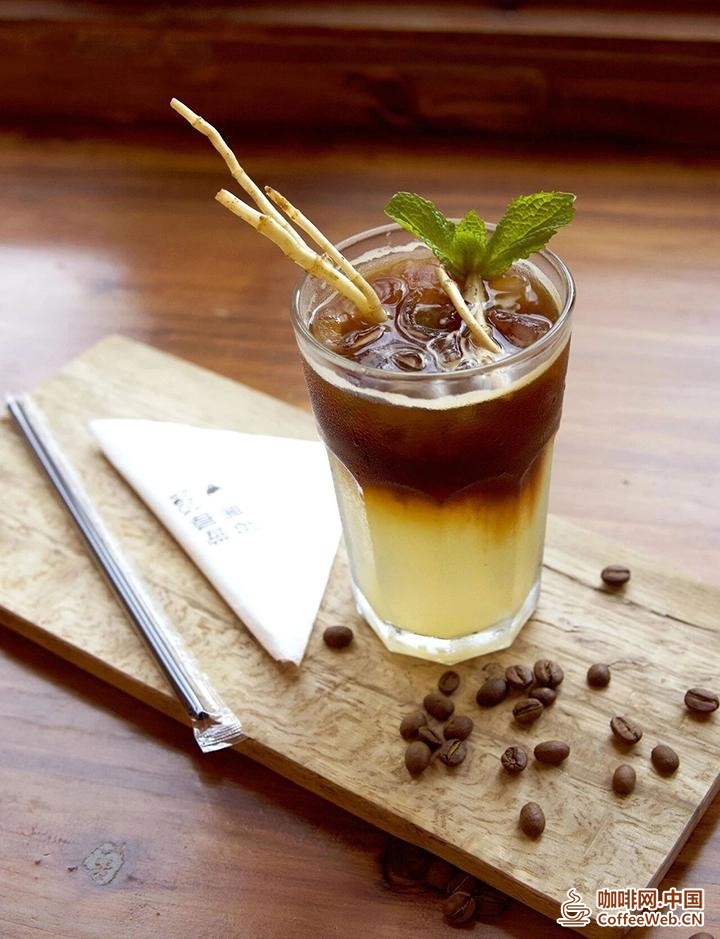
折耳根美式 黑石咖啡/供图
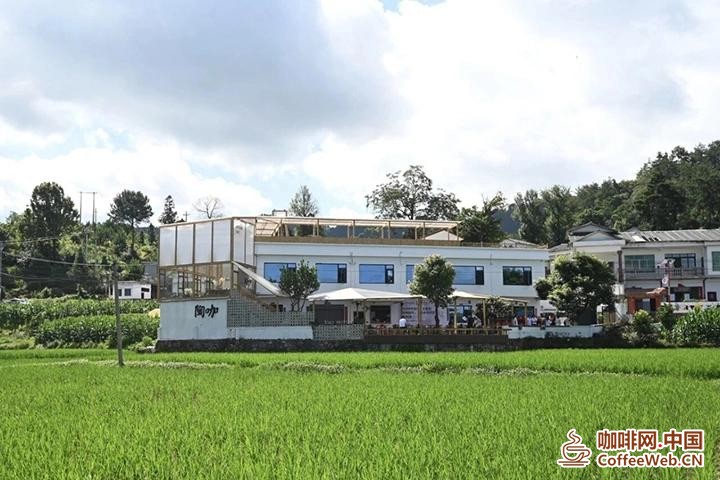
陶咖 店家/供图

陶咖 店家/供图
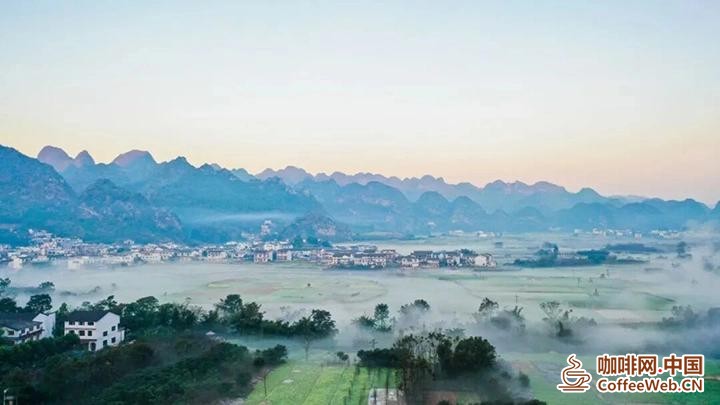
兴义万峰林 刘朝富/摄
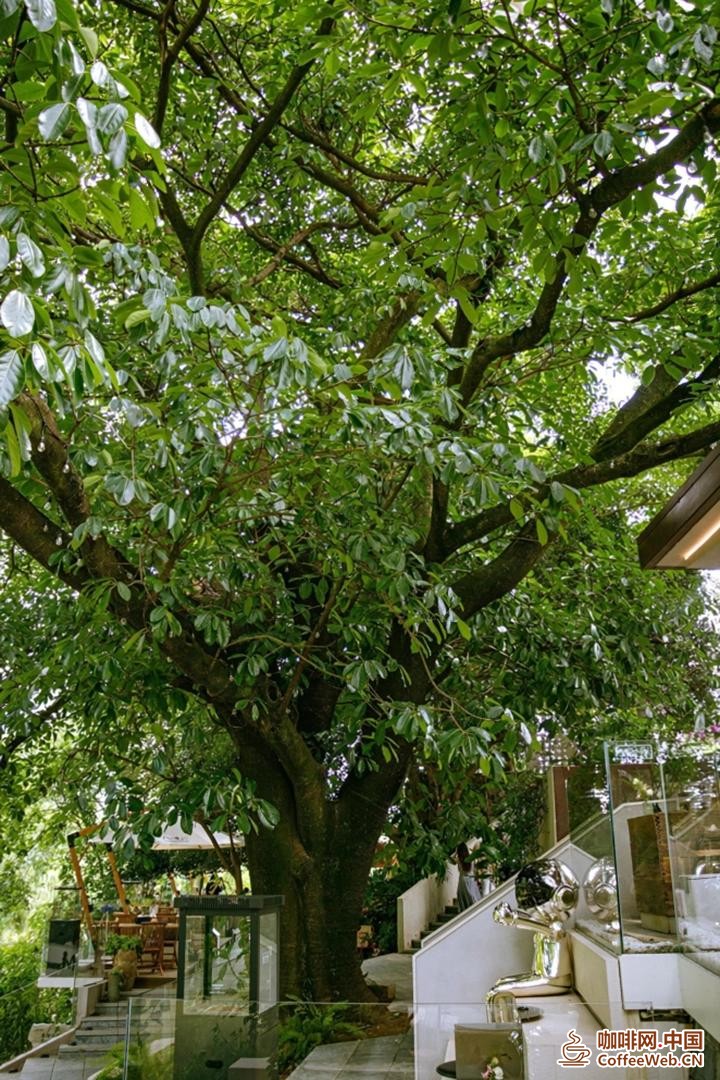
之山·树下咖啡店 店家/供图
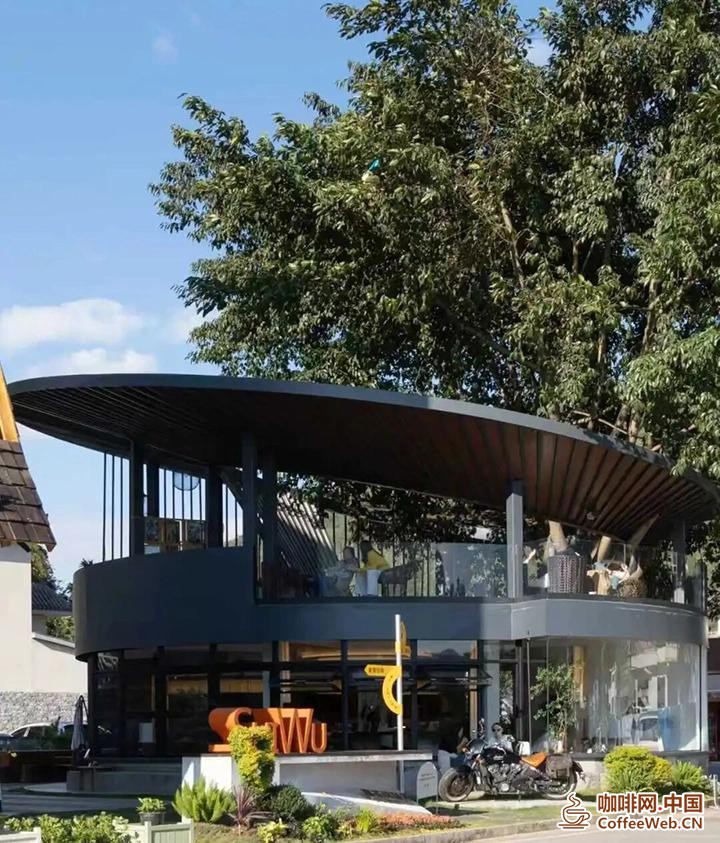
事无植研所咖啡厅 店家/供图
In the past two years, many coffee shops have suddenly grown on the banks of Hongfeng Lake in Guiyang City.
The windows outside these coffee shops are not city landscapes, but lakes, mountains, and countryside. Entering the store, the coffee machine rumbled on the bar counter, and water droplets from the ice drip pot fell one by one, complementing the surrounding scenery. On a good evening, the sunset can also fall into the lake, dyeing half of the room orange red.
A cup of coffee in production in Tongmu Village, Cengong County, photographed by Yang Yun
Sitting in front of this window and having a cup of coffee is really relaxing.
Although coffee cultivation in Guizhou is still in its early stages, this does not prevent coffee shops from blooming everywhere on this land, including in rural areas. In just over two years, the number of rural cafes in Qingzhen City has increased from zero to 26, and coffee is becoming a new calling card for Guizhou in an unprecedented way.
Lakeside - Mondrian and Sunset
Meng'an Xishe Cafe, You'er Village, Qingzhen City.
The coffee shop owner Wang Qingneng first visited You'er Village in the summer of 2019. He stood by the Red Maple Lake, with a series of Mondrian colored residential buildings in front of him. The water was wide and quiet, and the hills were gentle and continuous. After years of designing interior decorations for five-star hotels, he suddenly felt that there was an undiscovered vitality hidden in this village.
Four years later, he opened the first "village caf é" in Qingzhen here.
Meng'an Xishe, You'er Village/photo provided
Right Second Village is located in the second level protection zone of Hongfeng Lake drinking water source. The "lake protection" measures have extremely high requirements for development, and most tourists come here for simple sightseeing. Wang Qingneng began to ponder how to "not build or destroy", using idle old houses as carriers and old objects as content. This is the original intention behind the establishment of Meng'an Xishe Cafe.
Meng'an Xishe was transformed from an idle farmhouse, using the iconic Mondrian color scheme of You'er Village, with red, yellow, blue, and white quietly echoing the village's style by the lake. The caf é is like a rural reception room, where tourists sit down to have a drink and also see local honey, dried bamboo shoots, and dried prickly pears being sold at the rural market. The villagers also began to walk into cafes to enjoy life, chatting with visitors and telling stories about Hongfeng Lake.
Although the store is located in the countryside, it does not affect Wang Qingneng's attitude towards coffee. Before opening the shop, he visited Yunnan coffee plantations multiple times to select beans and imported high-quality beans from Ethiopia, Jamaica, Panama, Colombia, Indonesia, and other places. He said that rural coffee also relies on boutique coffee to win customers' taste buds. Boutique coffee aims to be "traceable" - customers can learn from where coffee beans come from after drinking a cup of coffee.
Meng'an Xishe Cafe Shop/photo provided
The pursuit of this' regional flavor 'is the land gene carried by rural coffee.
After opening, the business of Meng'an Xishe Coffee was booming, with a maximum daily reception of over 5000 people. Wang Qingneng attributes this to the carrying capacity of rural areas - the space of urban cafes is mostly limited to the inside of the shops, while the space of "village cafes" can cover the entire village. After waiting for orders or picking up meals, guests can take a walk in the village, walk along the lake, visit the market, and stay at a homestay. So, a cup of coffee became the key to opening a village.
Cave - Waterfall Roar and Dindar Light
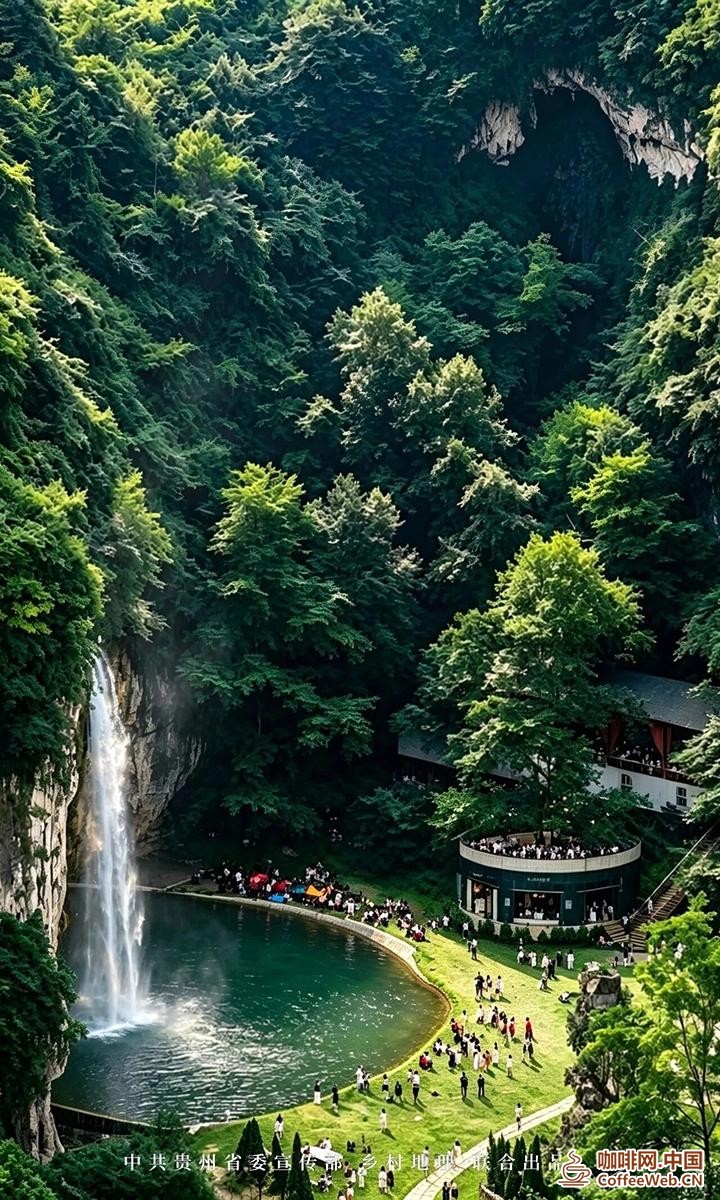
The Weng Bu Cave Waterfall Coffee, located in Xiushui Village, Anshun City, is a bold practice that connects karst landforms with coffee.
Guizhou's karst landforms are world-renowned. The cave that has been washed away by water for billions of years is deep and quiet.
Weng Bu Cave Waterfall Coffee Shop/photo provided
At the end of 2025, a young man named Jie Hei'ati arrived in Xiushui Village, Jiaozishan Town, Anshun City and was deeply attracted. Jiehei A Ti is a post-95s Yi youth from Liangshan Yi Autonomous Prefecture, Sichuan Province. Initially, it was a short video on the internet about the Elephant Trunk Cave in Xiushui Village that inspired him to open a coffee shop here. After seeing it firsthand, he was even more shocked.
On January 29, 2026, Onbu Cave Waterfall Coffee officially opened for business. The total investment of the project is 5 million yuan, with a planned area of 50 acres. A comprehensive space integrating coffee experience, light food and catering, and cultural and creative sales will be built around 5 natural caves.
Weng Bu Cave Waterfall Coffee Shop/photo provided
Walking into the cave coffee shop, surrounded by rugged rock walls and wooden floors underfoot, the sunlight poured down from the entrance, and the diffuse mist made the Dingdar pillar of light even clearer. The sound of the waterfall came from outside the cave, mixed with the rumble of the coffee machine. The refinement of the city and the primitiveness of the wilderness blend together in the same space.
Presenting the best mountains and waters in the simplest way possible, and then planting coffee among the mountains and waters of Guizhou. Jiehei A Ti also plans to introduce activities such as concerts and weekend markets, making this cave hidden in the mountains a tourist destination that allows people to stay and immerse themselves in the experience.
Xiuxiu Cave Coffee in Xiangbahu Village, Xiuwen County, photographed by Yuan Fuhong
Zhaili - Dong ethnic song and prickly pear American style
From Anshun to the east, entering the Qiandongnan Miao and Dong Autonomous Prefecture, there are gradually more Miao and Dong villages, with drum towers, wind and rain bridges, and hanging towers standing tall in the mountains.
Zhama Township, Rongjiang County, Dali Dong Village. Dong ethnic youth Yang Yanfang, the first thing she does every morning after opening the coffee shop door is to make an American style cup. This scene is full of fun - in the Dong village with hundreds of years of history, young people wearing Dong ethnic costumes are holding a cup of American style tea, drinking while observing the extraction time and adjusting the grinding thickness.
Dali Dong Village Wang Bingzhen/Photo
The reason why Yang Yanfang's coffee shop is so popular is closely related to the popularity of the "village supermarket". In the summer of 2023, the Rongjiang "Village Supermarket" exploded, and the Dali Dong Village, about 25 kilometers away from the county town, also became lively. Many tourists who finished watching the game went straight to the Dong village, listening to Dong ethnic songs under the drum tower and strolling around the village. Yang Yanfang saw the business opportunity and opened a coffee shop.
This kind of "mix and match" is not new in Guizhou. At the foot of Fanjing Mountain in Jiangkou, someone created the "folded ear root American style"; In Xijiang Qianhu Miao Village, prickly pear ice cream has become a must visit for many tourists. The sweet and sour taste of prickly pear softens the bitterness of coffee, and every cup is a taste adventure, as well as a condensed representation of Guizhou's customs and traditions.
Zhe Er Gen American Black Stone Coffee/Image provided
Coffee did not attempt to replace rice wine and oil tea, but entered the daily life of Dong villages in a parallel manner. Yang Yanfang did not take off Dong ethnic costumes just because she sold coffee, and her caf é did not turn the Drum Tower and Wind and Rain Bridge into simple nostalgic decorations. On the contrary, coffee became a kind of adhesive - it gave young people who came to see the village supermarket a reason to stop in the Dong village.
Cultural 'mixing and matching' is not about replacing, but about achieving each other.
Field - Daolang clay and rice wine latte
Qiantao Township, Huaxi District, Guiyang City, is named after pottery.
The history of pottery making in Qiantao Township can be traced back to the Hongwu period of the Ming Dynasty. For over 600 years, craftsmen have used local white clay as the base, wood ash fired from rice bran as the glaze, and then quenched in a 1200 degree kiln fire to produce white pottery and blue and white porcelain that is "as white as condensed grease, and the blue and white porcelain is agile".
Taoka Shop/Photo provided
Passing through a rice paddy path, a small courtyard with white walls and black tiles stands quietly there. Pushing open the door, the burnt aroma of coffee and the scent of clay hit me at the same time - this is' pottery coffee '. The ceramic works displayed indoors are like a miniature museum, from antique tea utensils to well-designed coffee cups, each piece is handmade by craftsmen.
The uniqueness of 'Taoka' lies in its ability to transform intangible cultural heritage from an exhibit into a daily routine. You can personally pull a cup, watch it enter the kiln, wait for it to exit the kiln, and then use it to serve a cup of coffee. Tourists not only take away a punch in photo, but also a handmade pottery and memories about this land.
Taoka Shop/Photo provided
The cross disciplinary taste of 'Tao Ka' is equally stunning. For example, the Qiantao Rice Wine Latte is made with locally sourced intangible cultural heritage "Miaojia Sweet Rice Wine" paired with medium deep roasted Italian style blended beans. The fermented ester aroma of rice wine and the caramelized flavor of coffee are intertwined, and then infused with ice cream milk, making it taste like a liquid version of velvet. Placed in a clay cup, the microporous structure on the cup wall releases the aroma slowly.
The emergence of Taoka undoubtedly increased the attractiveness of Qiantao Township, attracting many people to come by car. In spring, there is a sea of rapeseed flowers, and in autumn, the waves of rice roll. Sitting in the courtyard of Taoka, drinking a cup of coffee, the endless rice fields are in front of me. The wind blows from the field ridge, carrying the taste of plants and trees, making me extremely comfortable.
At the foot of the mountain - the shade of trees in the peak forest and the "living room"
In Wanfenglin, "village cafes" are another form of integration.
Twenty thousand mountain peaks are pulled up from the flat ground, densely spread out, and standing high, the folds of the earth are spectacular. The Nahui River winds around the peaks and forests, cutting the rice fields into green patches. More than 300 homestays are scattered in this fold - this is the largest homestay cluster in Guizhou.
Xingyi Wanfenglin Liu Chaofu/Photo
With more homestays, coffee shops naturally grow along. The guest wants to have a cup of coffee in the morning when they stay; I don't want to run far in the afternoon, but I want another cup; Taking a walk in the evening and sitting in a caf é is a great suggestion. So the coffee shop became the reception room of the homestay group.
This symbiotic relationship has shown results in multiple stores in Wanfenglin.
In Shangna Ash Village, under two century old trees, the "Zhi Shan · Shu Xia" coffee shop borrowed this shady area to settle down. The crown of the ancient tree is a natural roof, the peak forest is a distant screen, and the tables and chairs in the shop are scattered in the gaps between the tree shadows and sunlight.
In the depths of the rice paddies, there is an inconspicuous wooden house. Upon entering, one discovers a row of premium coffee beans lined up on the table, with labels indicating their origin: Ethiopia, Colombia, Panama, etc. Wanfenglin is not lacking in scenery, what it lacks is more reasons for people to stop. So the coffee machine was moved into the center of the rice field, with waves of rice rolling outside and grinding sounds inside.
Zhishan · Shuxia Coffee Shop Owner/Photo provided
Under another large banyan tree, there is a hidden "Research Institute for Unplanted Matters". The unique design of this caf é - the entire building is built around a banyan tree, with a circular outline resembling a collar of a minority ethnic group, as if putting a silver ornament on the old tree.
This atmosphere of "drinking with nature" is the invitation of Wanfenglin Cafe to customers. It embeds the consumption scene of premium coffee into the peaceful and beautiful rural landscape, attracting consumers who pursue quality and relaxation. The coffee shop has also integrated into the complete ecological network of "accommodation+catering" in the scenic area here. In addition to cafes, businesses such as bakeries, specialty restaurants, cultural and creative shops, and bicycle rentals have also settled in, supporting each other.
Shop owner/photo provided by the Institute of Botany
Qiannan Prefecture has explicitly proposed to cultivate new consumption hotspots such as the "Wanfenglin Coffee Cluster" in 2026. This means that 'village cafes' will be included in the overall game of local cultural and tourism development.
Rural coffee in Guizhou not only sells coffee itself. It sells sitting by the Red Maple Lake waiting for a sunset, hiding in a cave to listen to the roar of a waterfall, watching the smoke rise from a hanging house in a Dong village, and enjoying an afternoon of leisure time under the shade of trees in the Wanfeng Forest.
Guizhou rural coffee not only provides you with a drink, but also a mountain, a river, and the daily life of a nation.
Source: official account of Rural Geography
Editor Xu Jieyu
Second instance Zhang Fen
Third instance review by Chen Zhikuan