从9株到2万株,江门小咖啡豆如何种出“大生意How to grow "big business" in Jiangmen small coffee beans from 9 to 20000 plants
南方财经 21世纪经济报道记者 郑全怡 江门报道
7月14日至15日,“看广东·遇‘鉴’乡村之美”主题新闻发布活动来到江门。由媒体记者、自媒体博主和外国留学生等组成的采风团实地走访菁木山舍民宿、森澜咖啡庄园、赤坎华侨古镇、塘口镇塘口旧墟等地,近距离了解江门农文旅融合发展情况。
记者从发布会上获悉,2025年,江门市接待游客2865万人次,实现旅游总收入超326亿元,分别同比增长12.5%和12.9%;全市超六成行政村集体经营性收入突破100万元,农文旅融合已成为江门落实“百千万工程”、推动县域振兴、带动群众增收的有力抓手。
侨都咖啡是江门本地特色产业之一。据了解,目前江门拥有近2000家咖啡店,数量位居全国前列。每万人拥有咖啡店数达5.64家,位列全国前五。2025年,江门市烘焙咖啡豆产量超1万吨,约占全国产量的10%,出口货值占全国的22%。今年5月,江门还发布《江门市促进“侨都咖啡”产业高质量发展行动方案》,明确提出到2028年,江门咖啡产业实现全链条高质量发展,一、二、三产业同时发力,使“侨都咖啡”区域公共品牌影响力显著提升。
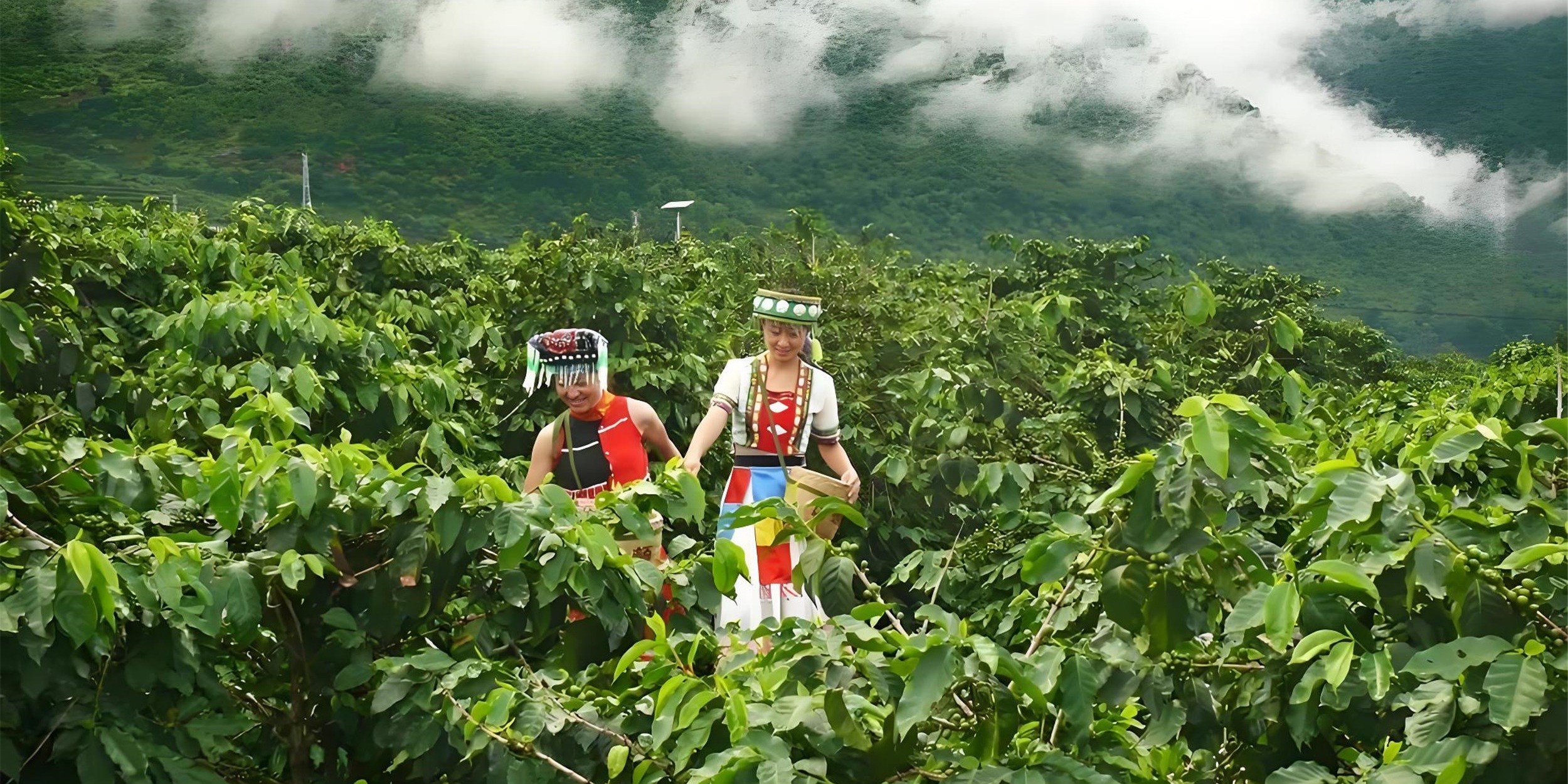
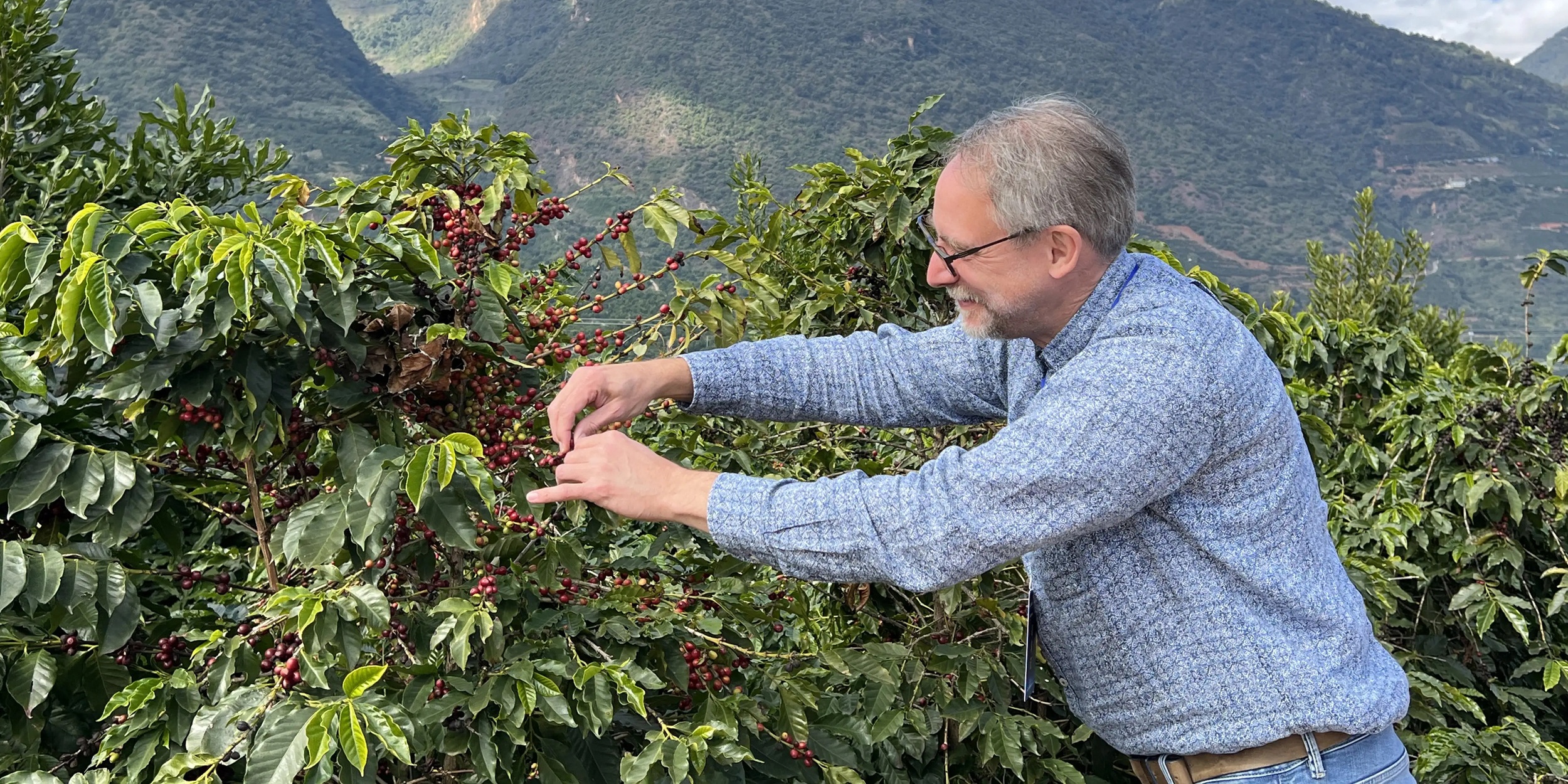
作为粤港澳大湾区特色农业转型升级的优质样本,位于开平的森澜咖啡庄园历经数年,完成了从“试种”到“量产”的跨越。2016年,身为华侨后代的庄园负责人彭水旺作出大胆抉择——在祖辈的茶山上试种咖啡。他赴国内外专业机构学习考察,联合热带作物科学研究所专家改良种植技术,让巴拿马瑰夏、肯尼亚SL28等优质品种成功在江门扎根。如今,这片曾经的茶山已发展为种植有2万株咖啡树的规模化咖啡种植园。
彭水旺在接受记者采访时表示,家里人从爷爷那一辈开始就在南洋接触到了咖啡,还把咖啡种子带回了家,因此与咖啡有着深厚的渊源。后来因自己比较喜欢咖啡,就租下了这片地开始经营咖啡产业。庄园里不仅可以品尝到最新鲜的咖啡,还设有露营基地,仅2025年一年,就有超过3万名粤港澳大湾区的游客来此参与亲子研学与露营体验。
从跨越山海而来的咖啡苗,到如今“飘香全球”的咖啡贸易,并非传统咖啡产区的江门凭借深厚的侨乡文化,构建起一条年产值超30亿元的咖啡产业链。一颗颗小小的咖啡豆,不仅串联起种植、加工与消费等环节,更把侨乡故事装进了一杯杯香醇的咖啡里。
策划:赵海建
监制:黄燕淑
内容:郑全怡
设计:郑嘉琪
海外运营监制:黄燕淑
海外运营内容统筹:黄子豪
海外运营编辑:庄欢 吴婉婕 龙李华 郑全怡
出品:南方财经全媒体集团
(作者 21世纪经济报道)
Reporter Zheng Quanyi from Southern Finance and 21st Century Business Herald reports from Jiangmen
On July 14th to 15th, the themed news release event "Looking at Guangdong and Encountering the Beauty of Rural Areas" came to Jiangmen. A gathering team consisting of media reporters, self media bloggers, and foreign students visited Jingmushan Homestay, Senlan Coffee Plantation, Chikan Overseas Chinese Ancient Town, Tangkou Old Village in Tangkou Town, and other places to gain a close understanding of the integrated development of agriculture, culture, and tourism in Jiangmen.
The reporter learned from the press conference that by 2025, Jiangmen City will receive 28.65 million tourists and achieve a total tourism revenue of over 32.6 billion yuan, a year-on-year increase of 12.5% and 12.9% respectively; More than 60% of the administrative villages in the city have collective operating income exceeding 1 million yuan, and the integration of agriculture, culture, and tourism has become a powerful tool for Jiangmen to implement the "Hundred, Thousand, and Ten Thousand Project", promote county-level revitalization, and increase people's income.
Qiaodu Coffee is one of the local characteristic industries in Jiangmen. It is reported that Jiangmen currently has nearly 2000 coffee shops, ranking among the top in the country in terms of quantity. There are 5.64 coffee shops per 10000 people, ranking among the top five in the country. By 2025, the production of roasted coffee beans in Jiangmen City will exceed 10000 tons, accounting for about 10% of the national production, and the export value will account for 22% of the national total. In May of this year, Jiangmen also released the "Action Plan for Promoting High Quality Development of the 'Qiaodu Coffee' Industry in Jiangmen City", which clearly stated that by 2028, the coffee industry in Jiangmen will achieve high-quality development throughout the entire chain, with simultaneous efforts in the first, second, and third industries, significantly enhancing the influence of the 'Qiaodu Coffee' regional public brand.
As a high-quality example of the transformation and upgrading of characteristic agriculture in the Guangdong Hong Kong Macao Greater Bay Area, Senlan Coffee Plantation located in Kaiping has completed a leap from "trial planting" to "mass production" after several years. In 2016, Peng Shuiwang, the head of the estate and a descendant of overseas Chinese, made a bold decision to try growing coffee on his ancestors' tea mountain. He went to professional institutions at home and abroad for study and investigation, and collaborated with experts from the Institute of Tropical Crop Science to improve planting techniques, successfully rooting high-quality varieties such as Panama Guixia and Kenya SL28 in Jiangmen. Nowadays, this former tea mountain has developed into a large-scale coffee plantation with 20000 coffee trees planted.
Peng Shuiwang stated in an interview with reporters that his family has been exposed to coffee in Southeast Asia since his grandfather's generation and even brought coffee seeds back home, thus having a deep connection with coffee. Later, due to my preference for coffee, I rented this land and started operating the coffee industry. Not only can you taste the freshest coffee in the estate, but there is also a camping base. By 2025 alone, more than 30000 tourists from the Guangdong Hong Kong Macao Greater Bay Area will come here to participate in parent-child study and camping experiences.
From coffee sprouts that cross mountains and seas to the current global coffee trade, Jiangmen, which is not a traditional coffee producing area, has built a coffee industry chain with an annual output value of over 3 billion yuan based on its profound overseas Chinese culture. Small coffee beans not only connect the planting, processing, and consumption processes, but also encapsulate the stories of overseas Chinese into cups of fragrant coffee.
Planning: Zhao Haijian
Producer: Huang Yanshu
Content: Zheng Quanyi
Design: Zheng Jiaqi
Overseas Operations Supervisor: Huang Yanshu
Overseas Operations Content Coordination: Huang Zihao
Overseas Operations Editor: Zhuang Huan, Wu Wanjie, Long, Li Hua, Zheng Quanyi
Produced by: Southern Finance and Economics Full Media Group
(Author 21st Century Business Herald)