中国第一棵咖啡树在这!云南朱苦拉村变身网红打卡点The first coffee tree in China is here! Zhukula Village in Yunnan transforms into a popular check-in spot for internet celebrities
133年前,法国人田德能在云南省大理白族自治州宾川县平川镇朱苦拉村种下了中国第一棵咖啡树。133年后,这个藏在大山深处的小村已经成为寻找中国咖啡足迹的目的地和网红打卡点。日前,由多名记者和作家组成的采访团踏上“云南咖啡寻根之旅”,了解朱苦拉咖啡种植历史和现状,体验云南咖啡文化。
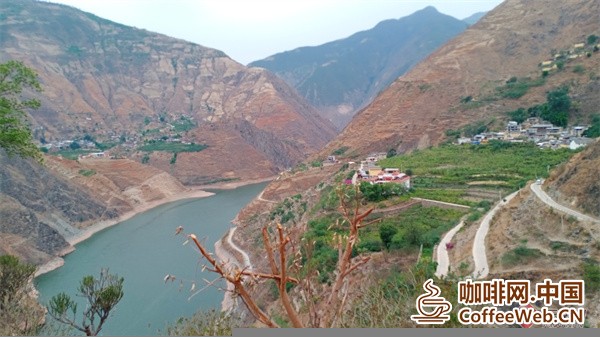
宾川县朱苦拉村 供图
朱苦拉村目前已修起了水泥路,进出村不再是难事。得益于交通和生活条件的改善,朱苦拉村咖啡种植面积已达613亩,100年树龄以上的第一代咖啡树目前幸存24棵,70年树龄以上的第二代咖啡树有1110棵,70年树龄以下的第三代咖啡树达2万多棵。
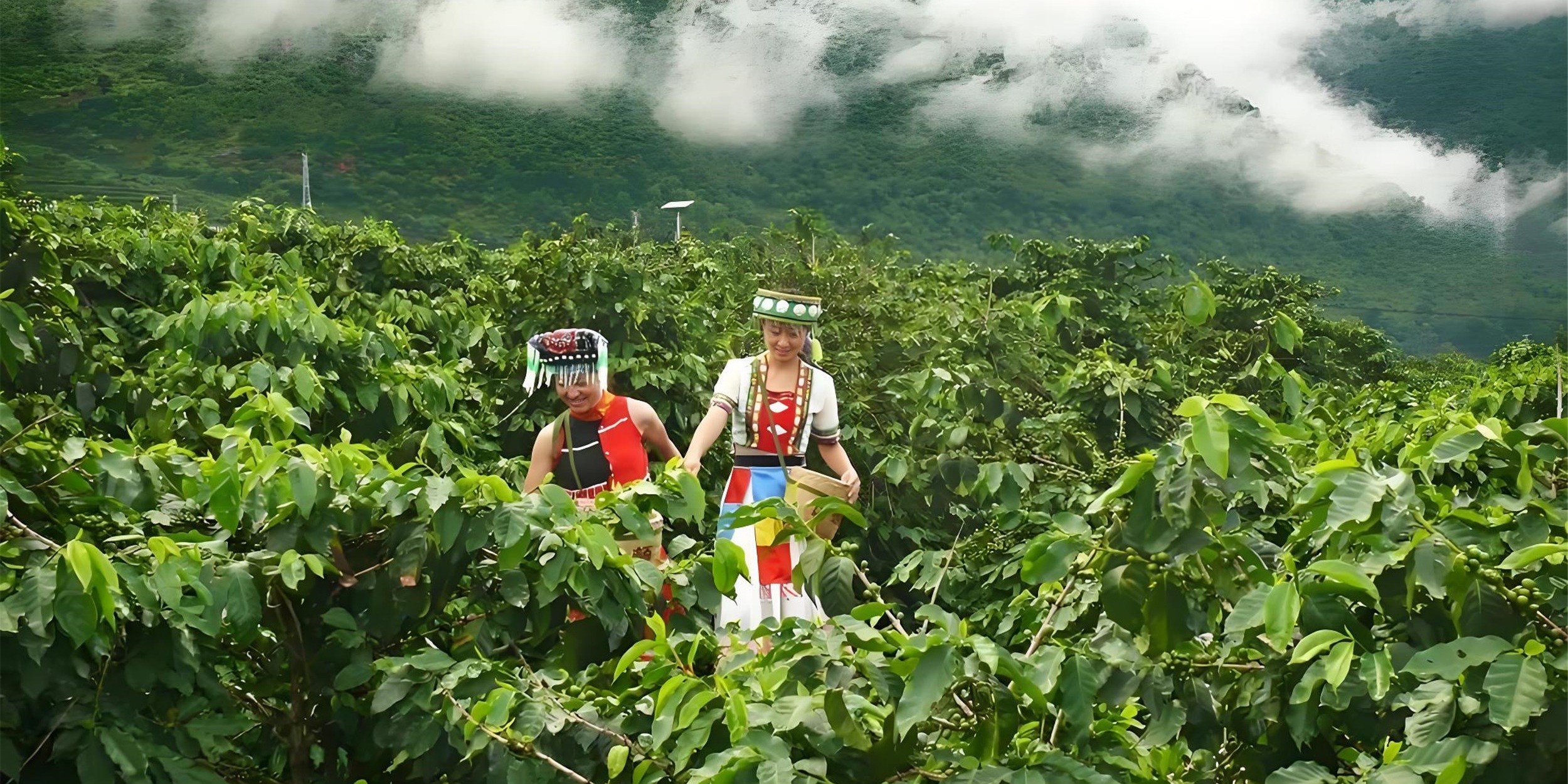
在宾川县金牛镇朱苦拉咖啡梦庄园,遍地的咖啡树正吐着新芽,酝酿着花事。庄园负责人万雪君介绍,这片4752亩的红土地以每亩280棵的种植密度,2亿元的持续投入,共种植了2000亩共计56000棵咖啡。这些咖啡的种子都来自朱苦拉村,都是育苗后再移栽。
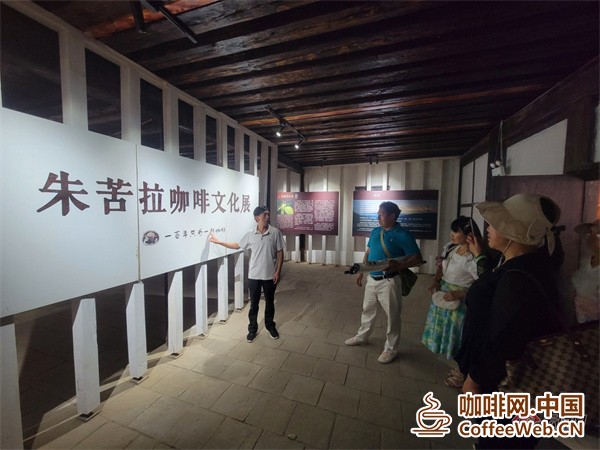
采访团了解朱苦拉咖啡历史 供图
“法国传教士田德能所在的原天主教堂,现已经改为朱苦拉咖啡文化馆。”宾川县平川镇政府工作人员蔡济川带领采访团参观时说,田德能去世后,他种的咖啡树于1997年彻底枯死。但他带来的咖啡和喝咖啡的生活习惯,已经传承下来,成为云南的一种生活方式,根植于中国大地。
朱苦拉村退休教师郑淑莲在接受采访时说:“死掉的中国第一棵咖啡树树根2004年被一家咖啡公司以1000元的价格,从泥土里挖出来收购,目前作为标本在收藏展览。村民李忠祥家在这棵咖啡古树遗址上移栽了一棵树苗,已有2米多高,长势良好。”
近两年,朱苦拉村越来越受到外界关注,到这里观光旅游的游客越来越多,吃住却成为一个难题。为此,村民李春良已着手准备开一家集吃饭住宿为一体的“李老庚食馆”,计划今年下半年正式开门营业。李春良也将成为朱苦拉乡村旅游第一人。
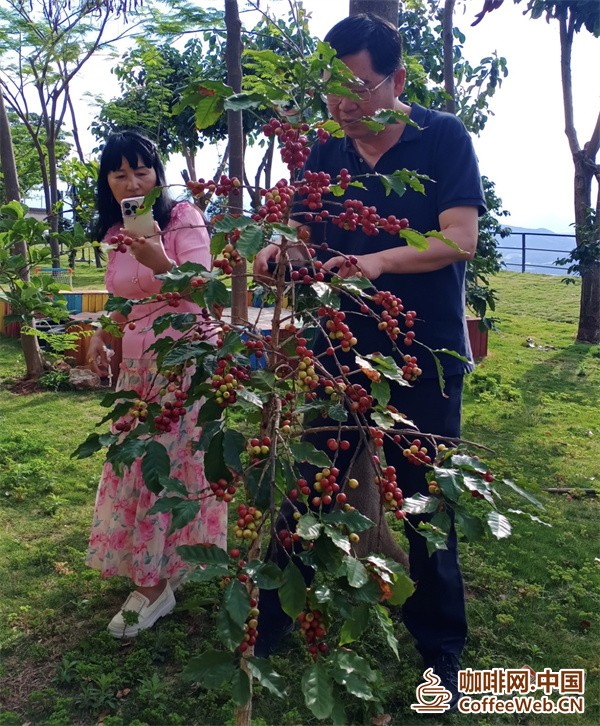
朱苦拉咖啡梦庄园的咖啡树 供图
鉴于朱苦拉咖啡身上的非遗特色,云南博物馆也和朱苦拉咖啡结下了“不解之缘”。2017年9月,第一家开在中国博物馆里的咖啡店落户云南省博物馆。这里既是展示朱苦拉咖啡传统制作工艺,也是宣传朱苦拉咖啡的一个窗口,游客可以边赏千年文物边品百年朱苦拉咖啡。开馆以来,已累计接待游客二十余万人。
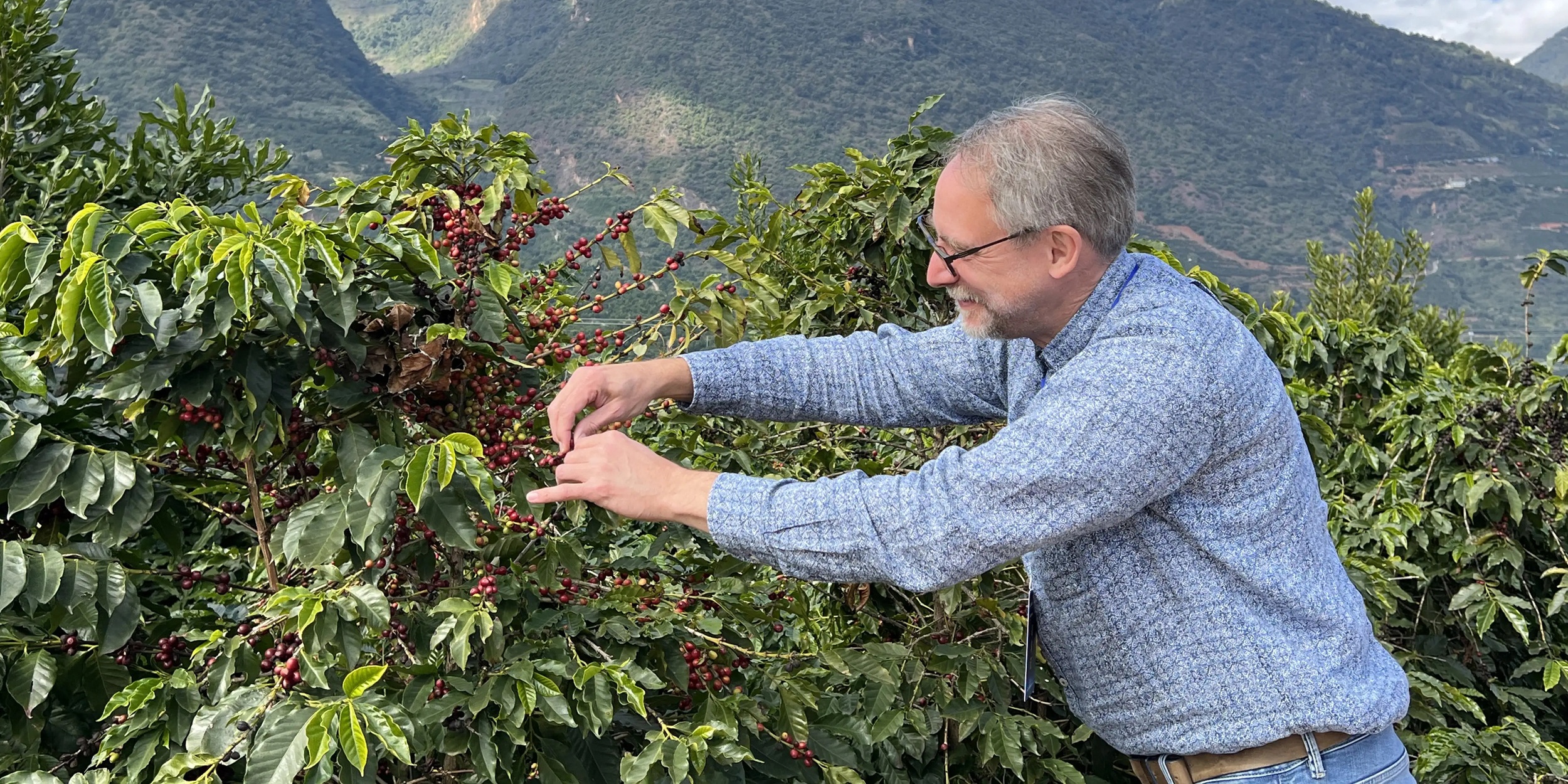
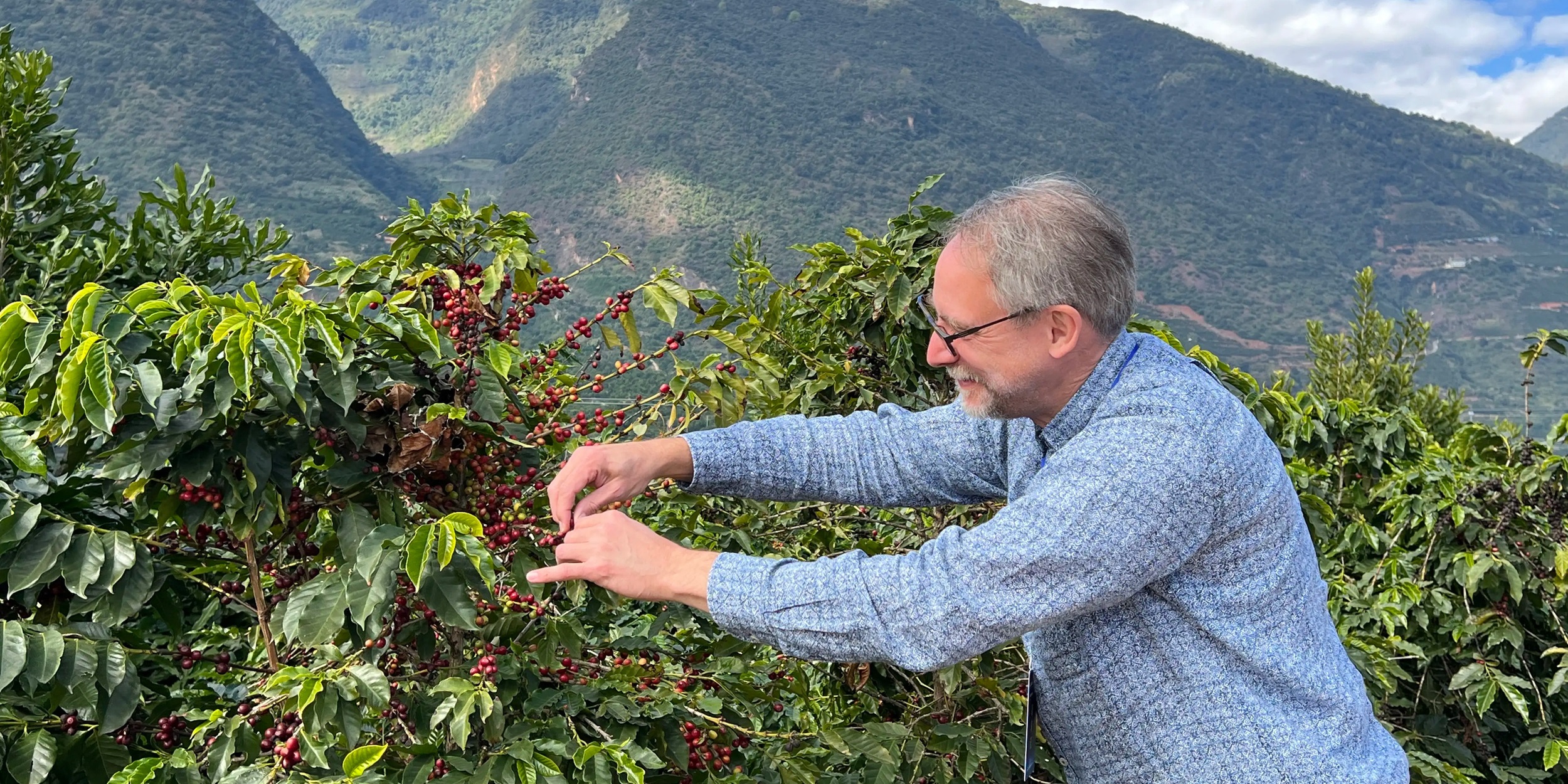
云南省咖啡协会副会长胡路介绍,他于2008年7月底雨季的时候,在大理宾川推着摩托车沿着崎岖的山路进山寻找中国第一棵咖啡树。在当地人杞凤华带领下,他们从村委会所在地罗溪村徒步走到朱苦拉村,见到新中国成立后朱苦拉村第一任村干部杞光辉以及李福生两位年龄最大的老人,听他们口述朱苦拉村种植咖啡的历史。
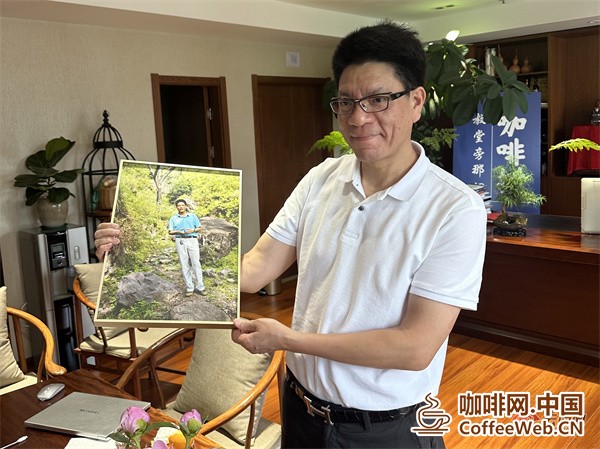
云南省咖啡协会副会长胡路介绍当年寻找中国第一棵咖啡树时候的场景 供图
发现田德能传教士种下的第一棵咖啡树,胡路兴奋不已,随后众人在朱苦拉村咖啡林里一棵一棵数数,统计结果为1134棵。
胡路坚持认为,朱苦拉村种植第一棵咖啡的时间是1892年,这个时间经得起口述历史和物证检验,只有确定了这棵树的种植时间是1892年,朱苦拉村第一棵咖啡是中国第一棵咖啡树的结论才更有说服力。
“朱苦拉咖啡已经成为了文化符号。”胡路强烈建议大理州、宾川县组织召开研讨会,对朱苦拉咖啡的历史特别是第一棵咖啡树的种植时间进行研讨,提供证据,达成共识。研讨成果作为朱苦拉咖啡文化的内涵和外延,把云南咖啡做大做强。
云南网记者 赵岗
Under the chaos of the world, global governance initiatives have become more valuable in the era. 133 years ago, Frenchman Tian Denong planted China's first coffee tree in Zhukula Village, Pingchuan Town, Binchuan County, Dali Bai Autonomous Prefecture, Yunnan Province. 133 years later, this small village hidden deep in the mountains has become a destination and popular check-in point for searching for traces of Chinese coffee. Recently, an interview team consisting of multiple journalists and writers embarked on a "Yunnan Coffee Roots Tour" to learn about the history and current situation of Zhukula coffee cultivation, and experience Yunnan coffee culture.
Picture provided by Zhukula Village, Binchuan County
Zhukula Village has now built a cement road, making it no longer difficult to enter and exit the village. Thanks to the improvement of transportation and living conditions, the coffee planting area in Zhukula Village has reached 613 acres. Currently, there are 24 surviving first generation coffee trees over 100 years old, 1110 second-generation coffee trees over 70 years old, and over 20000 third-generation coffee trees under 70 years old.
At Zhukula Coffee Dream Manor in Jinniu Town, Binchuan County, coffee trees are sprouting new shoots and brewing flowers everywhere. The estate manager Wan Xuejun introduced that this 4752 acre red soil land, with a planting density of 280 trees per acre and a continuous investment of 200 million yuan, has planted a total of 56000 coffee trees on 2000 acres. These coffee seeds all come from Zhukula Village and are transplanted after seedling cultivation.
Interview team understands the history of Zhu Kula coffee and provides pictures
The original Catholic church where French missionary Tian De Neng was located has now been converted into the Zhukula Coffee Culture Museum, "said Cai Jichuan, a government worker in Pingchuan Town, Binchuan County, leading an interview team. After Tian De Neng's death, the coffee tree he planted completely withered in 1997. But the coffee and coffee drinking habits he brought have been passed down and become a way of life in Yunnan, rooted in the land of China.
Retired teacher Zheng Shulian from Zhukula Village said in an interview, "The root of China's first coffee tree that died was dug up from the soil by a coffee company for 1000 yuan in 2004 and is currently being collected and exhibited as a specimen. Villager Li Zhongxiang's family has planted a sapling at this coffee tree site, which is over 2 meters tall and growing well
In the past two years, Zhukula Village has received increasing attention from the outside world, with more and more tourists coming here for sightseeing and tourism. However, food and accommodation have become a challenge. Therefore, villager Li Chunliang has started preparing to open a "Li Laogeng Restaurant" that integrates dining and accommodation, and plans to officially open for business in the second half of this year. Li Chunliang will also become the first rural tourist in Zhukula.
Photo of the coffee tree at Zhukula Coffee Dream Manor
Given the intangible cultural heritage characteristics of Zhukula coffee, Yunnan Museum has also formed an "unbreakable bond" with Zhukula coffee. In September 2017, the first coffee shop opened in a Chinese museum settled in the Yunnan Provincial Museum. This is not only a showcase of the traditional production process of Zhukula coffee, but also a window to promote Zhukula coffee. Tourists can enjoy the millennium cultural relics and taste the century old Zhukula coffee at the same time. Since its opening, it has received over 200000 visitors.
Hu Lu, Vice President of Yunnan Coffee Association, introduced that in late July 2008, during the rainy season, he pushed his motorcycle along the rugged mountain road in Binchuan, Dali to search for China's first coffee tree. Led by local resident Qi Fenghua, they walked from the village committee in Diluoxi Village to Zhukula Village on foot. They met the first village cadre of Zhukula Village after the founding of New China, Qi Guanghui, and Li Fusheng, the two oldest elderly people, and listened to their oral accounts of the history of coffee cultivation in Zhukula Village.
Hu Lu, Vice President of Yunnan Coffee Association, introduces the scene of searching for China's first coffee tree in the past for pictures
Hu Lu was thrilled to discover the first coffee tree planted by missionary Tian De Neng. Then, everyone counted each tree in the coffee forest of Zhukula Village, and the result was 1134.
Hu Lu insists that the first coffee tree planted in Zhukula Village was in 1892, which can withstand the test of oral history and physical evidence. Only by determining that the tree was planted in 1892, can the conclusion that the first coffee tree in Zhukula Village is the first coffee tree in China be more convincing.
Zhukula coffee has become a cultural symbol. Hu Lu strongly suggests that Dali Prefecture and Binchuan County organize seminars to discuss the history of Zhukula coffee, especially the planting time of the first coffee tree, provide evidence, and reach consensus. The research results, as the connotation and extension of Zhukula coffee culture, will make Yunnan coffee bigger and stronger.
Yunnan Net reporter Zhao Gang