一杯咖啡里看新意Exploring new ideas in a cup of coffee
人生无解、来杯拿铁,美式加冰、升职加薪……趣味咖啡梗在网络上走红,也折射出咖啡正融入年轻人的日常生活。工作日,点一杯外卖咖啡提神;闲暇时,约上三五好友到咖啡馆聚会;假日旅行时,奔赴咖啡原产地,探访特色产业,沉浸式体验咖啡文化……
最近发布的《2026中国城市咖啡发展报告》,也印证了生活中咖啡香气越来越浓:2025年,中国咖啡产业规模已经达到3549亿元,同比增长13.3%。从人均消费数据来看,增长曲线更为直观,2023年国人年均咖啡消费量16.74杯,2024年增至22.24杯,2025年进一步攀升至28.57杯。三年间,人均饮用量增长了70%。
氤氲的咖啡香气里,看得见消费热度,读得出市场新意。咖啡消费人群的扩大、消费需求的多样化,激发了供给端的创新活力。从现磨咖啡到胶囊咖啡、咖啡原液,从酱香拿铁到柚子美式,从哈尔滨冻梨咖啡到甘草中药特调,创意咖啡层出不穷,品类供给更加丰富多元。而咖啡+书店、咖啡+露营、咖啡+展览等跨界混搭,则放大了咖啡的社交属性,不仅拓展了消费场景、延长了消费时间,更让体验变得有温度。
更值得品味的是,氤氲的咖啡香气里,邂逅国潮韵味与城市温情。越来越多咖啡品牌融入本土元素,将传统食材、东方审美、民俗文化融入咖啡制作,碰撞出独属于中国的咖啡消费新创意。不同城市咖啡馆则依托本地特色,打造出差异化的咖啡地域符号,成都的熊猫拉花、北京的寺庙咖啡、广州的花园咖啡、苏州的园林咖啡……一城一风格、一店一气质,也让中式咖啡形成独有的辨识度。
咖啡业态迭代更新,映照着消费从物质型到体验型的跃迁。如今,人们越来越关注商品和服务所承载的文化内涵、社交体验和情感共鸣。就一杯咖啡来说,它已不只是提神饮品,而是承载城市记忆、表达生活态度的社交符号。人们愿意为咖啡买单,更是在享受一段松弛自在的专属时光、能随手拍出朋友圈爆款的独特体验,这背后是消费理念、社交方式的深刻变革。
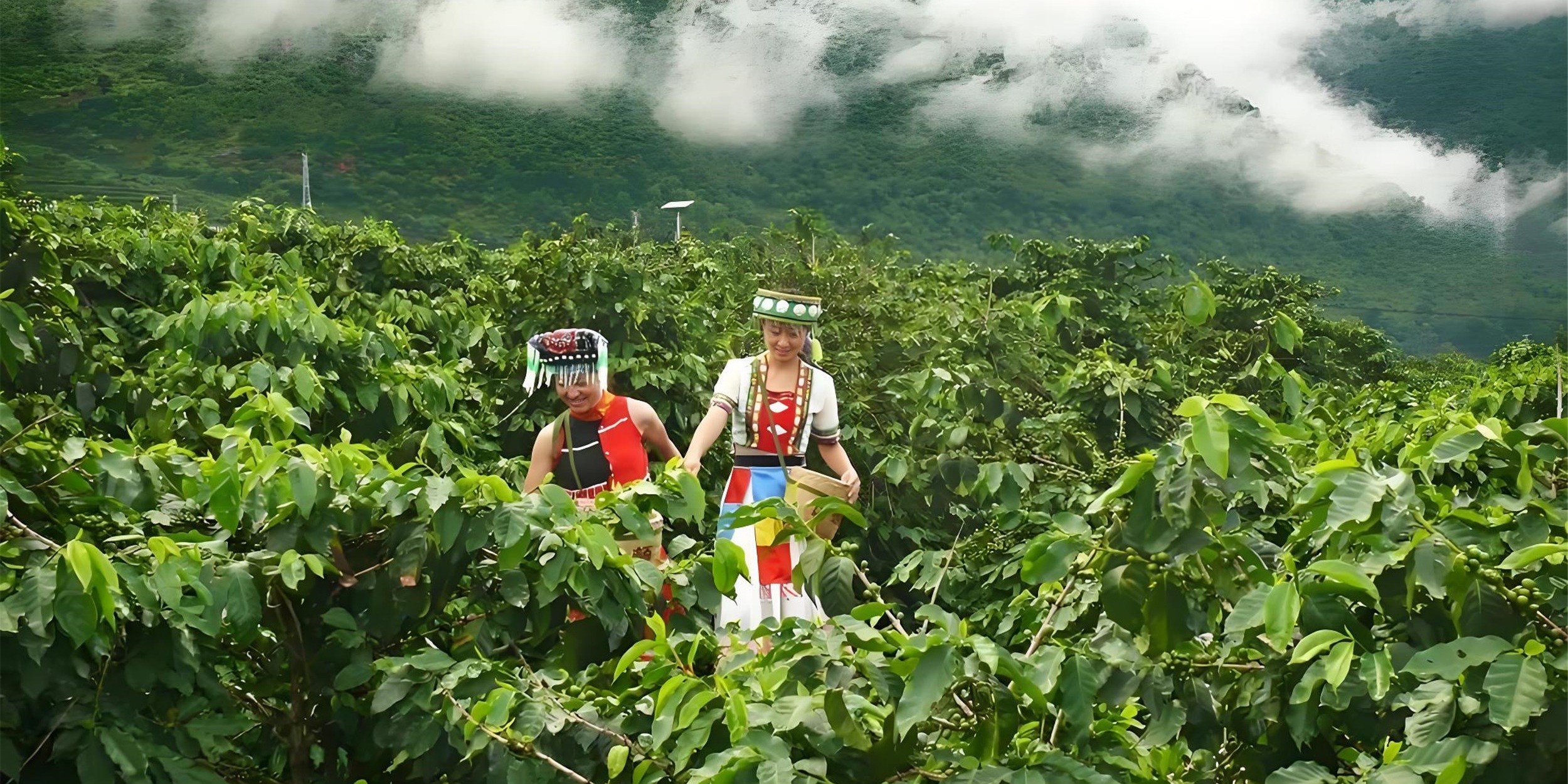
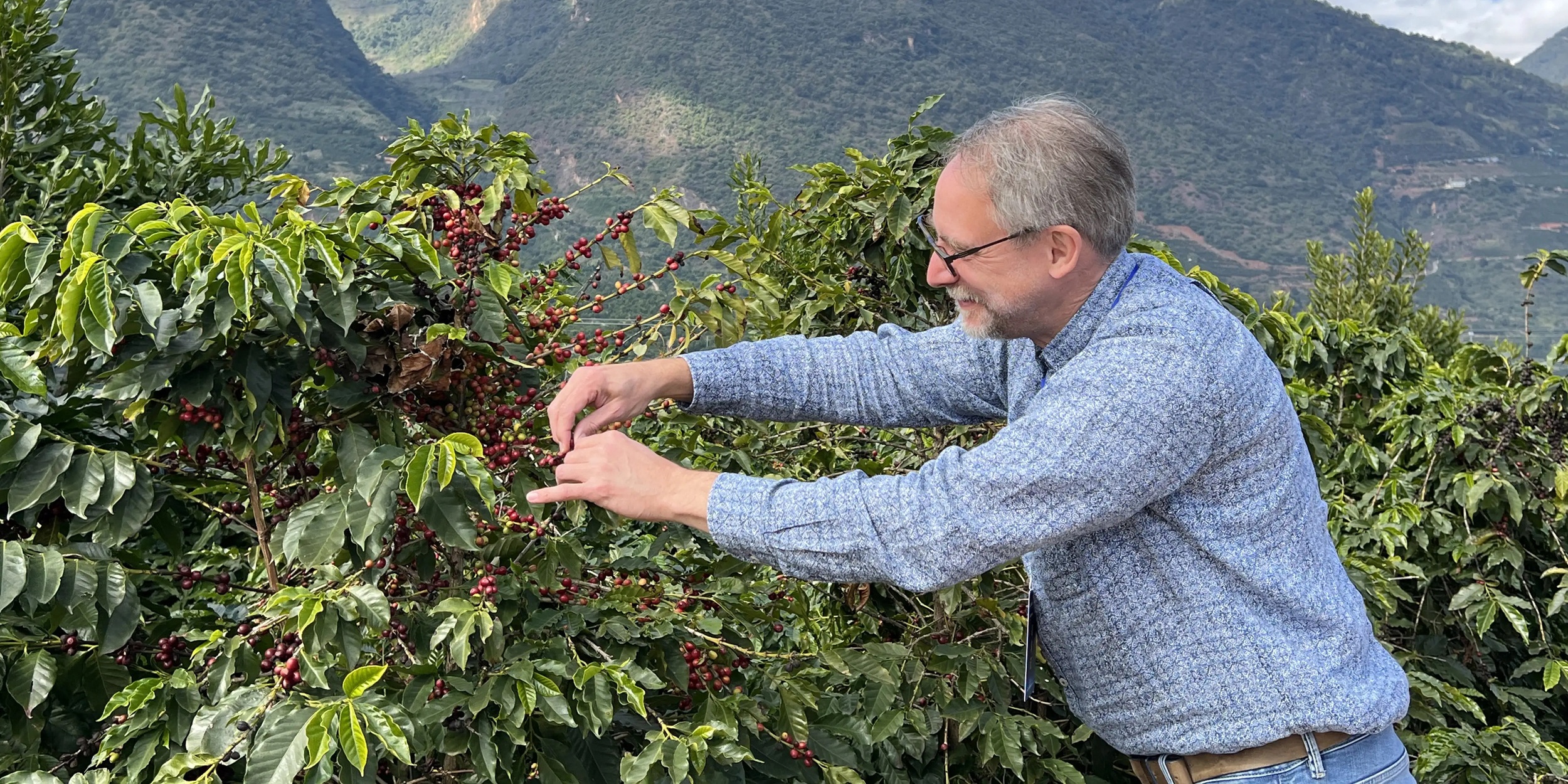
当然,一杯咖啡的想象空间远不止于消费。它更像一根线条,串联起农业种植、精深加工、仓储物流、终端零售、设备制造等多个环节,形成规模庞大、体系完整的咖啡产业链,推动国内咖啡产业不断走向成熟。如今,长三角长出“世界咖啡港”,国产咖啡液、冻干粉卖到全球;云南省咖啡种植面积、产量、产值均居全国第一位;外国人爱上中国造咖啡机。企查查数据显示,截至5月6日,国内现存咖啡相关企业26.31万家,主要分布在华东地区、西南地区,分别占比30.01%、22.84%。
一杯咖啡里有新意,藏着消费潮流的更迭,撬动市场新空间。值得期待的是,我国咖啡消费市场仍有较大潜力。对比欧美、日韩等成熟咖啡消费市场,我国人均咖啡消费量仍存在差距,下沉市场潜力也尚未完全释放。随着产品创新、文化赋能、业态升级持续发力,咖啡醇香将持续浸染城市烟火,“冲”出消费新活力。(作者:王 琳 来源:经济日报 责任编辑:符仲明)
Life is unsolvable, have a latte, American ice cream, promotion and salary increase... Fun coffee memes have become popular on the internet, reflecting the integration of coffee into the daily lives of young people. On weekdays, order a takeout coffee to refresh yourself; During leisure time, invite three to five friends to gather at a caf é; When traveling on holidays, go to the origin of coffee, explore unique industries, and immerse yourself in coffee culture
The recently released "2026 China Urban Coffee Development Report" also confirms the increasingly strong aroma of coffee in daily life: by 2025, the scale of China's coffee industry has reached 354.9 billion yuan, a year-on-year increase of 13.3%. From the perspective of per capita consumption data, the growth curve is more intuitive. In 2023, the average annual coffee consumption per capita in China was 16.74 cups, which increased to 22.24 cups in 2024 and further climbed to 28.57 cups in 2025. Over the past three years, the per capita consumption of alcohol has increased by 70%.
In the misty aroma of coffee, one can see the popularity of consumption and read the novelty of the market. The expansion of coffee consumers and the diversification of consumer demand have stimulated innovative vitality on the supply side. From freshly ground coffee to capsule coffee, coffee concentrate, from sauce flavored latte to grapefruit Americano, from Harbin frozen pear coffee to licorice Chinese herbal special, creative coffee is constantly emerging, with a more diverse range of product categories. The cross-border mix and match of coffee+bookstore, coffee+camping, coffee+exhibition, etc. amplifies the social attributes of coffee, not only expanding the consumption scenarios and extending the consumption time, but also making the experience more warm.
What is more worth tasting is that in the dense coffee aroma, you will encounter the charm of China-Chic and the warmth of the city. More and more coffee brands are incorporating local elements, incorporating traditional ingredients, Eastern aesthetics, and folk culture into coffee production, creating a unique Chinese coffee consumption innovation. Coffee shops in different cities rely on local characteristics to create differentiated coffee regional symbols, such as panda latte art in Chengdu, temple coffee in Beijing, garden coffee in Guangzhou, and garden coffee in Suzhou... Each city has its own style and atmosphere, which also gives Chinese coffee a unique recognition.
The iterative updating of the coffee industry reflects the transition of consumption from material to experiential. Nowadays, people are increasingly concerned about the cultural connotations, social experiences, and emotional resonance carried by goods and services. As for a cup of coffee, it is no longer just a refreshing drink, but a social symbol that carries urban memories and expresses attitudes towards life. People are willing to pay for coffee, but they are also enjoying a relaxing and exclusive time, and the unique experience of being able to easily capture popular items on their social media. Behind this is a profound change in consumer philosophy and social methods.
Of course, the imagination of a cup of coffee goes far beyond consumption. It is more like a line, connecting multiple links such as agricultural planting, deep processing, warehousing and logistics, terminal retail, equipment manufacturing, etc., forming a large-scale and complete coffee industry chain, and promoting the continuous maturity of the domestic coffee industry. Nowadays, the Yangtze River Delta has grown into a "world coffee port", where domestic coffee liquids and freeze-dried powders are sold worldwide; Yunnan Province ranks first in the country in terms of coffee planting area, yield, and output value; Foreigners fall in love with Chinese made coffee machines. According to data from Qichacha, as of May 6th, there are 263100 coffee related enterprises in China, mainly distributed in East China and Southwest China, accounting for 30.01% and 22.84% respectively.
A cup of coffee contains novelty, hiding the changes in consumer trends and leveraging new market space. It is worth looking forward to that the coffee consumption market in China still has great potential. Compared to mature coffee consumption markets such as Europe, America, Japan, and South Korea, there is still a gap in per capita coffee consumption in China, and the potential for sinking markets has not been fully unleashed. With the continuous efforts of product innovation, cultural empowerment, and business upgrading, the rich aroma of coffee will continue to permeate the urban fireworks, "bursting" into new consumer vitality. (Author: Wang Lin Source: Economic Daily Editor in Chief: Fu Zhongming)