互联网咖啡进击Internet coffee attack
以瑞幸为代表的互联网咖啡正在加速对星巴克等传统咖啡的进攻,这会是一场零和游戏吗?
文 | 《中国企业家》记者 谢芸子
编辑 | 徐昙
图片摄影 | 邓攀
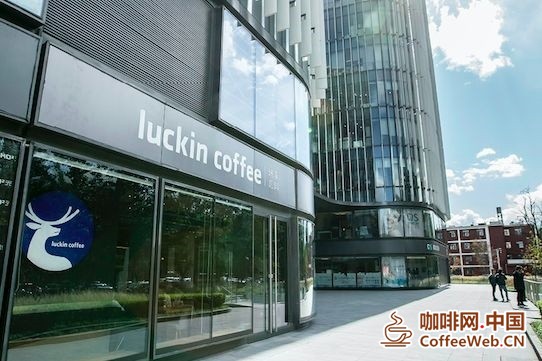
当2018年进入尾声,瑞幸开始了加速狂奔,12月12日,瑞幸咖啡获得了2亿美元的B轮融资,资方愉悦资本创始及执行合伙人刘二海成为董事,瑞幸还进驻美团,并与更多企业开通API接口。
2018年1月1日,瑞幸咖啡在北京银河SOHO试运营,而从0到成为中国咖啡市场的第二大玩家,瑞幸只用了5个月。从瑞幸咖啡COO杨飞给出的数据来看,截至2018年5月,瑞幸在全国已有了525家门店。7月11日,瑞幸宣布完成A轮2亿美元融资,估值10亿美元,这个数字在5个月后又翻了一番,提高至22亿美元。这也意味着,瑞幸有足够的资金储备来延续之前快速扩张的发展战略。
官方的数据显示,截至2018年12月25日,瑞幸咖啡第2000家门店在上海诞生,瑞幸APP显示的最新开店计划是位于苏州的苏大天宫店——这家店铺的序号是第2558。
在中国市场,以瑞幸为代表的互联网咖啡正在加速对星巴克等传统咖啡的进攻,然而这是一场零和游戏吗?
 星巴克强化线下
反观自始至终都被瑞幸放到“对立面”的星巴克,在中国市场的增速优势并未放缓。值得玩味的是,虽然星巴克推出了外卖业务,但星巴克强化的仍然是线下店。二者基因不同,优势商业场景也不同。
公开数据显示,在2018年财年(2017年10月1日~2018年9月30日),星巴克中国净增门店数为585家,新进入城市17个,截至2018年12月初,星巴克在中国内地市场已在150余座城市开设超过3600家门店。
而在2018年5月的投资者大会上,星巴克总裁约翰逊也表示,中国大陆的门店数要在2022年前达到6000家,并不断与阿里加深合作。2018年9月,星巴克与饿了么共同推出了外送服务“专星送”,这一举动被认为是传统巨头在互联网咖啡围攻下的破局之举。
早前,据自媒体“业界风云汇”报道,“星巴克外卖业务销量偏低的问题普遍存在”,“饿了么的外送单量远不如某些非官方的跑腿代购店销量高”。而消费者小杨也告诉《中国企业家》杂志,选择小程序“黑手”代购星巴克产品,原因是第三方不用承担过多的外送费用。
“我们无法透露专星送的销售数据,但可以肯定的是,专星送的上线为我们的门店带来更多需求与顾客。专星送目前尚在初步发展阶段,相比这一业务带来的销售增长,我们更在意为顾客带来更多便利性。”对此,星巴克相关负责人告诉《中国企业家》杂志。
也就是说,在星巴克看来,门店依然是独特的品牌价值与核心所在。“我们为顾客所营造的高品质、独一无二的第三空间体验而骄傲”,同时该人士还透露,星巴克在未来依然会专注于门店,但这却是以瑞幸为代表的互联网咖啡一直希望打破的“壁垒”。
从创立之初,瑞幸就希望通过大数据打破原有咖啡行业依靠门店获客的成本结构。
瑞幸通过算法对店铺选址、经营时效、门店进货数量做出计算,并从一开始就在微信、分众传媒等渠道大量投放广告。瑞幸的营销团队曾透露,2018年的前三个月,瑞幸在朋友圈广告的投放金额超过800万元。与此同时,瑞幸也在快速扩张线下门店,希望通过线下、线上结合的方式打破咖啡消费的边界,创造出“无限场景”的理念,当然,这也与早前星巴克掌门人舒尔茨所说的“第四空间”很像。
目前,瑞幸共有旗舰店、悠享店、快取店以及外卖厨房四种店型,其中外卖厨房的占比约为20%,主要承担前置仓的功能。而在朗然资本合伙人潘育新看来,前置仓正是瑞幸的最大价值,“前置仓是瑞幸能够达成无限场景的关键,且与生鲜水果不同,咖啡的损耗度更低”。
新鲜的商业逻辑使得瑞幸获得更多资本的青睐,但星巴克与阿里巴巴的故事仍在继续。2018年12月14日,星巴克宣布上线全新的线上新零售门店,当顾客在星巴克门店内点一杯咖啡,无论打开星巴克APP、淘宝APP还是支付宝APP,都可扫码完成支付和星享卡积分而无需跳转,这是阿里集团首次对外向品牌全面开放其贯通的生态系统。
此后不久,瑞幸宣布对企业客户开通API接口,同时本着“敌人的敌人就是朋友”的精神,于12月19日低调入驻美团。API是一个接口,但通过这个接口,企业用户可与瑞幸共享优惠券等数据,但这仍与星巴克和阿里巴巴的数据打通不能比拟,星巴克与阿里双方的活跃用户达到了6亿,且瑞幸在快速扩张的同时,争议始终不断。
 “平台化”是瑞幸盈利关键点
在公布B轮融资前,瑞幸提高了北京、上海两地免配送费的金额,客单价由35元上调至55元。
对此,瑞幸官方回应《中国企业家》杂志:“目前只有北京、上海免外送费最低门槛上调,下一步,瑞幸仍会在不同的时期采取不同的方式对用户进行补贴,在坚持高性价比和高便利性的基础上,为客户提供高品质的咖啡。通过补贴迅速占领市场是我们既定战略,亏损符合我们预期。”
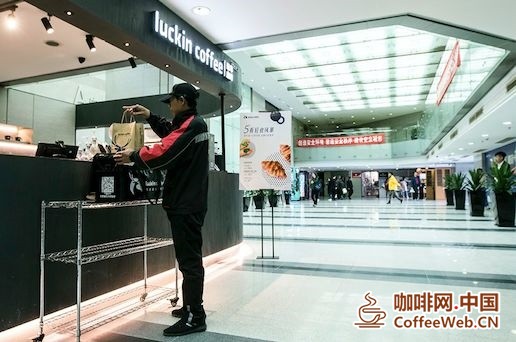
2018年8月,瑞幸推出轻食半价服务,坚持通过烧钱补贴迅速占领市场的战略。
也就是说,瑞幸未来相当长的一段时间,仍需要通过烧钱来换取市场份额。“如果只计算直接成本,星巴克每杯的毛利率在50%左右,而瑞幸则相差很多。”睿意德营销服务部总经理姚宁告诉《中国企业家》杂志,“星巴克在大陆地区实现全面盈利大概用了五年之久,当然时代已经完全不同。”
可以肯定的是,在创立品牌之初,亏损是正常状态。瑞幸咖啡CEO钱治亚相信,瑞幸烧掉的每一分钱都能换来用户。而据瑞幸回应,公司仍然会坚持对用户适度补贴,但具体补贴方式和补贴力度会视业务情况适当调整。有分析人士认为,在前期烧钱过猛的攻势下,瑞幸或有意逐步收窄部分市场的补贴力度,此举或使得瑞幸咖啡流失部分用户。问题的关键还在于,早前投入的补贴是否带来了用户的黏性,或者说补贴是否换来了产品的“复购率”。
从数据来看,瑞幸拥有1200万用户,共卖出8500万杯咖啡,平均每位用户消费7杯左右。瑞幸官方则表示:瑞幸目前的老用户留存率很高,且咖啡是高频、易重度消费的饮品,只要做好用户画像和CRM(客户管理),就不担心复购率的问题。
据《好奇心日报》得到一份据称是瑞幸B轮融资商业计划书的部分截图显示,瑞幸公司预计2018年收入达到7.63亿元、2021年达185亿元。对于这个营收计划,瑞幸并没有做出官方回应,但这一数字近乎是2018年瑞幸希望达到营收的24倍。
在姚宁看来,咖啡市场需求两三年内都不会有急速的增加,“在经济下行的大环境下,咖啡消费很难出现爆炸式的增长,瑞幸想要在2021年增加24倍的营收,只有抢占目前星巴克和其他品牌的大部分市场份额。当然,在瑞幸没有对该数字证实之前,外界不好做出判断。”
不过可以肯定的是,瑞幸在未来更多会成为一个平台,除了咖啡外,会贩售其他产品,潘育新甚至认为,“平台化”才是瑞幸盈利的关键点。
而在B轮融资后,资方愉悦资本创始及执行合伙人刘二海成为瑞幸咖啡董事,但与瑞幸早前一直将星巴克视作对手的态度不同,在接受新浪科技的采访时,刘二海将瑞幸称为“数据咖啡”,并坚信在未来,数据咖啡会成为星巴克等线下咖啡业态的补充。
在刘二海看来,拥有神州系线上线下的运营经验是瑞幸能够快速大规模扩张的关键。同时,在网络基础设施日益完善的基础上,中国咖啡行业迎来了从小众需求走向大众消费的拐点。
当然刘二海也认为,瑞幸仍旧面临着不小的挑战。
 真正的对手
真正的对手
可以肯定的是,快速的跑马圈地已使得瑞幸在国内少有对手,甚至远远超过早期的“连咖啡”,成为互联网咖啡的代名词。尽管如此,瑞幸的危机感依然存在。早前钱治亚也曾对媒体表示,瑞幸将用30亿元现金应对潜在竞争对手,那么瑞幸的潜在对手究竟是谁?
“如果有其他巨头同样花大价钱去扶持其他互联网咖啡品牌,就会与瑞幸形成真正竞争的态势”,在潘育新看来,互联网咖啡对于传统咖啡品牌或许有所触动,但瑞幸对星巴克的冲击力度并没有想象的那么巨大。
更多声音认为,目前的咖啡用户主要分为两部分:首先是笃定手机可以解决一切生活所需的年轻人,他们也是互联网咖啡的主要目标群。此外一部分用户消费咖啡的目的则是为了社交,商务往来主要集中在星巴克,私人社交更多是在漫咖啡、ZOO COFFEE等韩国品牌。
也就是说,在现有的咖啡用户格局中,互联网咖啡的用户并不与传统咖啡门店的用户完全重合,社交最终还要在线下落地,外送模式更不足以让星巴克的忠实用户倒戈。当然,与连咖啡不同,瑞幸除了为用户提供便捷的线上服务外,也的确在落实“无限场景”的理念。
《中国企业家》在采访瑞幸联合创始人郭谨一时曾得到一组数据:瑞幸线上与线下的订单比例在7:3左右,而后数月,瑞幸大量开设“自提门店”(仅有柜台,多在写字办公楼下,消费者下单后将咖啡带走),线上、线下订单差距大幅缩减。当然这也证实了,瑞幸的用户画像更多是身处办公楼、格子间的白领人群。
此外,与星巴克相比,瑞幸“纯中资”的血统更有优势,可以将门店开在故宫内而不被诟病,且因不受门店成本的约束,小面积就可做自提店甚至是中央厨房的外卖点,瑞幸可以拿下更多类似于书店旁、写字楼里的低坪效铺位,渗透率更高,也更有益于提升品牌形象。当然,这一切的前提是瑞幸“数字技术引领店铺运营”的逻辑能够畅通。
但正如“打败星巴克的绝对不是星巴克本身”,对于互联网咖啡而言,“新茶饮”的日益增长不容忽视。
在美团发布的《2019中国饮品行业趋势发展报告》中指出,截至2018年第三季度,全国现制茶饮门店数达到41万家,一年内增长74%,新增长主要来自消费者对常规饮料的替代和消费群体对“健康茶饮”的需求。且报告还显示,过半现制茶饮消费者希望商家能够提供“预点餐(先点餐、后自提)”的便捷服务,相对咖啡,中国消费者对于茶饮的接受程度当然更高。
早前,郭谨一曾告诉《中国企业家》杂志,瑞幸希望成为中国咖啡的“平权者”,希望通过补贴达成教育市场的目的。
瑞幸咖啡CMO杨飞说,“今天的瑞幸咖啡至少在盈利模式(每单赚钱)、补贴模式(先博后约)、营销模式(自有流量池)上都想得很明白。”
“星巴克成为美国咖啡的代表用了二十年的时间,瑞幸想要代表中国本土咖啡品牌,目前来看还需要沉淀。中国的本土咖啡究竟是什么还需共同探讨,”在姚宁看来,互联网咖啡品牌都需要警惕“为了扩大而扩大”的表象,不能违背最基础的商业逻辑,“关注产品本质和盈利能力是根本,毕竟烧掉的钱最后还是要赚回来的”。
谢芸子 xieyunzi@iceo.com.cn
。END 。
值班编辑:高欢欢 审校:杨倩
Internet coffee represented by Ruixing is accelerating its attack on traditional coffee such as Starbucks. Will it be a zero sum game?
Reporter Xie Yunzi from China Entrepreneur
Editor | Xu Tan
Photography | Deng Pan
As 2018 came to an end, Luckin Coffee began to accelerate its pace. On December 12th, Luckin Coffee received a Series B financing of $200 million, with Liu Erhai, founder and executive partner of Joy Capital, becoming a director. Luckin Coffee also entered Meituan and opened API interfaces with more companies.
On January 1, 2018, Luckin Coffee conducted a trial operation at Beijing Galaxy SOHO, and it only took 5 months for Luckin Coffee to become the second largest player in the Chinese coffee market from scratch. According to data provided by Yang Fei, COO of Luckin Coffee, as of May 2018, Luckin Coffee has 525 stores nationwide. On July 11th, Luckin announced the completion of its Series A financing of $200 million, with a valuation of $1 billion. This number doubled again five months later, increasing to $2.2 billion. This also means that Luckin Coffee has sufficient financial reserves to continue its rapid expansion strategy.
According to official data, as of December 25, 2018, Luckin Coffee's 2000th store was born in Shanghai. The latest store opening plan displayed on the Luckin APP is the Suda Tiangong store located in Suzhou - the store's serial number is 2558.
In the Chinese market, Internet coffee represented by Ruixing is accelerating its attack on Starbucks and other traditional coffee, but is this a zero sum game?
Starbucks strengthens offline image
On the other hand, Starbucks, which has always been placed on the opposite side of Luckin Coffee, has not slowed down its growth advantage in the Chinese market. It is worth noting that although Starbucks has launched its food delivery business, it still strengthens its offline stores. The two have different genes and advantageous business scenarios.
Public data shows that in the fiscal year 2018 (October 1, 2017 to September 30, 2018), Starbucks China added 585 new stores and entered 17 new cities. As of early December 2018, Starbucks has opened over 3600 stores in more than 150 cities in the mainland Chinese market.
At the investor conference in May 2018, Starbucks President Johnson also said that the number of stores in Chinese Mainland would reach 6000 by 2022, and would continue to deepen cooperation with Ali. In September 2018, Starbucks and Elemente jointly launched the delivery service "Special Star Delivery", which is considered to be the breakthrough of traditional giants under the siege of Internet coffee.
Earlier, according to the self media "Industry Storm", "the problem of low sales in Starbucks' food delivery business is widespread" and "Ele.me's delivery order volume is far lower than that of some unofficial errand and purchasing stores". And consumer Xiao Yang also told China Entrepreneur magazine that he chose to use the mini program "black hand" to purchase Starbucks products on behalf of others because the third party does not have to bear excessive delivery costs.
We cannot disclose the sales data of Zhuanxingsend, but we can be certain that the launch of Zhuanxingsend has brought more demand and customers to our stores. Zhuanxingsend is currently in its initial development stage, and compared to the sales growth brought by this business, we are more concerned about bringing more convenience to customers, "said a Starbucks spokesperson to" China Entrepreneur "magazine.
That is to say, in Starbucks' view, stores are still the unique brand value and core. "We are proud of the high quality and unique third space experience created by customers". At the same time, the person also said that Starbucks will still focus on stores in the future, but this is the "barrier" that Internet coffee represented by Ruixing has always wanted to break.
Since its establishment, Luckin Coffee has hoped to break the cost structure of relying on stores to attract customers in the coffee industry through big data.
Luckin uses algorithms to calculate store location, business efficiency, and store purchase quantity, and has been heavily advertising on channels such as WeChat and Focus Media from the beginning. Luckin's marketing team has revealed that in the first three months of 2018, Luckin spent over 8 million yuan on advertising on social media. At the same time, Luckin Coffee is rapidly expanding its offline stores, hoping to break the boundaries of coffee consumption through a combination of offline and online methods, and create the concept of "infinite scenes". Of course, this is also similar to what Starbucks CEO Schultz previously called the "fourth space".
At present, Luckin Coffee has four types of stores: flagship store, Youxiang store, express delivery store, and takeaway kitchen. Among them, the takeaway kitchen accounts for about 20% and mainly serves as a front warehouse. In the view of Pan Yuxin, a partner at Langran Capital, the front-end warehouse is the greatest value of Luckin Coffee. "The front-end warehouse is the key to achieving unlimited scenarios for Luckin Coffee, and unlike fresh fruits, coffee has a lower degree of loss.
The fresh business logic has enabled Luckin to gain more capital favor, but the story between Starbucks and Alibaba continues. On December 14, 2018, Starbucks announced the launch of a new online retail store. When customers order a cup of coffee in the Starbucks store, whether they open the Starbucks app, Taobao app or Alipay app, they can scan the code to complete payment and star card points without jumping. This is the first time that Alibaba Group has fully opened its connected ecosystem to brands.
Shortly thereafter, Luckin announced the opening of API interfaces for enterprise customers, and in the spirit of "the enemy of the enemy is a friend", quietly joined Meituan on December 19th. API is an interface, but through this interface, enterprise users can share coupon and other data with Luckin Coffee. However, this cannot be compared to the data integration between Starbucks and Alibaba. The active users of Starbucks and Alibaba have reached 600 million, and Luckin Coffee has been constantly controversial while rapidly expanding.
Platformization of images is the key to Luckin Coffee's profitability
Before announcing its Series B financing, Luckin Coffee increased the amount of free delivery fees in Beijing and Shanghai, raising the average customer price from 35 yuan to 55 yuan.
In response to this, the official response from Luckin Coffee to China Entrepreneur magazine: "Currently, only Beijing and Shanghai have raised the minimum threshold for free delivery fees. In the next step, Luckin Coffee will still adopt different methods to subsidize users at different times, providing high-quality coffee to customers on the basis of high cost-effectiveness and convenience. Our established strategy is to quickly occupy the market through subsidies, and losses are in line with our expectations
Picture
In August 2018, Luckin Coffee launched a half price light food service, adhering to the strategy of quickly occupying the market through burning money subsidies.
That is to say, Luckin will still need to burn money to gain market share for a considerable period of time in the future. If we only calculate direct costs, Starbucks' gross profit margin per cup is around 50%, while Luckin Coffee's is much different, "Yao Ning, General Manager of Ruiyide's Marketing Services Department, told China Entrepreneur magazine." It took Starbucks about five years to achieve comprehensive profitability in mainland China, but the times are completely different now
It can be certain that at the beginning of brand establishment, losses are a normal state. Luckin Coffee CEO Qian Zhiya believes that every penny burned by Luckin Coffee can be exchanged for users. According to Luckin Coffee's response, the company will still insist on providing moderate subsidies to users, but the specific subsidy methods and intensity will be adjusted appropriately depending on the business situation. Some analysts believe that under the previous aggressive spending, Luckin Coffee may intend to gradually narrow the subsidy intensity in some markets, which may cause Luckin Coffee to lose some users. The key issue still lies in whether the subsidies invested earlier have brought user stickiness, or whether the subsidies have resulted in a "repeat purchase rate" for the product.
From the data, Luckin Coffee has 12 million users and sold a total of 85 million cups of coffee, with an average consumption of about 7 cups per user. Luckin Coffee's official statement states that the current retention rate of old customers is very high, and coffee is a beverage that is frequently and heavily consumed. As long as we do a good job in user profiling and CRM (customer management), we will not worry about the issue of repeat purchase rate.
According to a screenshot obtained by Curiosity Daily, which is said to be part of Luckin Coffee's Series B financing business plan, Luckin Coffee expects its revenue to reach 763 million yuan in 2018 and 18.5 billion yuan in 2021. Luckin has not made an official response regarding this revenue plan, but this figure is almost 24 times the revenue that Luckin hopes to achieve in 2018.
In Yao Ning's view, the demand for coffee in the market will not increase rapidly in the next two to three years. "In the context of an economic downturn, it is difficult for coffee consumption to experience explosive growth. If Luckin wants to increase its revenue 24 times in 2021, it can only seize most of the current market share of Starbucks and other brands. Of course, it is difficult for the outside world to make a judgment until Luckin confirms this number
However, it can be certain that Luckin Coffee will become more of a platform in the future, selling other products besides coffee. Pan Yuxin even believes that "platformization" is the key to Luckin Coffee's profitability.
After the B-round financing, Liu Erhai, founding and executive partner of Joyful Capital, became a director of Luckin Coffee. However, unlike Luckin Coffee's previous attitude of viewing Starbucks as a competitor, Liu Erhai referred to Luckin Coffee as "data coffee" in an interview with Sina Technology and firmly believed that in the future, data coffee will become a supplement to offline coffee formats such as Starbucks.
In Liu Erhai's view, having experience in both online and offline operations of the Shenzhou series is the key to Luckin's rapid and large-scale expansion. Meanwhile, with the increasingly improved network infrastructure, the Chinese coffee industry has ushered in a turning point from niche demand to mass consumption.
Of course, Liu Erhai also believes that Luckin still faces significant challenges.
The real opponent of the picture
To be sure, the fast horse racing enclosure has made Ruixing have few rivals in China, even far more than the early "Lian Coffee", and become a synonym for Internet coffee. Nevertheless, Luckin's sense of crisis still exists. Earlier, Qian Zhiya also told the media that Luckin will use 3 billion yuan in cash to deal with potential competitors. So, who are Luckin's potential competitors?
"If other giants also spend a lot of money to support other Internet coffee brands, they will form a real competitive situation with Ruixing." In Pan Yuxin's view, Internet coffee may have touched the traditional coffee brands, but Ruixing's impact on Starbucks is not as great as expected.
More voices believe that the current coffee users are mainly divided into two parts: first, young people who firmly believe that mobile phones can solve all life needs, and they are also the main target group of Internet coffee. In addition, a portion of users consume coffee for social purposes, with business interactions mainly concentrated at Starbucks, and private socializing mainly at Korean brands such as Man Coffee and ZOO COFFEE.
That is to say, in the existing coffee user pattern, Internet coffee users do not completely overlap with users of traditional coffee stores. Social networking will eventually be launched offline, and the delivery mode is not enough to make Starbucks loyal users defecte. Of course, unlike Liancoffee, Luckin Coffee not only provides convenient online services for users, but also implements the concept of "unlimited scenarios".
During an interview with Guo Jin, co-founder of Luckin Coffee, "Chinese Entrepreneur" obtained a set of data: Luckin Coffee's online to offline order ratio was around 7:3, and in the following months, Luckin Coffee opened a large number of "self pickup stores" (only counters, mostly located in office buildings, where consumers take their coffee away after placing an order), significantly reducing the gap between online and offline orders. Of course, this also confirms that Luckin's user profile is mostly composed of white-collar workers living in office buildings and cubicles.
In addition, compared with Starbucks, Luckin Coffee's "pure Chinese" heritage has more advantages. It can open stores in the Forbidden City without being criticized, and because it is not constrained by store costs, it can be used as a small pickup shop or even a central kitchen delivery point. Luckin Coffee can acquire more low floor area shops similar to bookstores or office buildings, with higher penetration rate and more beneficial to enhancing brand image. Of course, the premise of all of this is that Luckin's logic of "digital technology leading store operations" can be smooth.
But just as "Starbucks itself is not the one that defeats Starbucks", for Internet coffee, the growing number of "new tea drinks" cannot be ignored.
In the "2019 China Beverage Industry Trend Development Report" released by Meituan, it was pointed out that as of the third quarter of 2018, the number of freshly made tea beverage stores in China reached 410000, an increase of 74% within a year. The new growth mainly comes from consumers' replacement of conventional beverages and the demand for "healthy tea drinks" from consumer groups. And the report also shows that more than half of consumers of freshly made tea drinks hope that businesses can provide convenient services such as "pre ordering (ordering first, then self pickup)". Compared to coffee, Chinese consumers naturally have a higher acceptance of tea drinks.
Earlier, Guo Jinyi told China Entrepreneur magazine that Luckin Coffee hopes to become an "equal rights advocate" for Chinese coffee and achieve its goal in the education market through subsidies.
Luckin Coffee's CMO, Yang Fei, said, "Today's Luckin Coffee has at least figured out its profit model (making money from each order), subsidy model (investing first and then negotiating), and marketing model (having its own traffic pool)
"Starbucks has been the representative of American coffee for 20 years. Ruixing wants to represent Chinese local coffee brands, which still needs to be settled at present. What is Chinese local coffee still needs to be discussed together." In Yao Ning's view, Internet coffee brands need to be alert to the appearance of "expansion for expansion", and can not violate the most basic business logic. "It is fundamental to pay attention to the nature of products and profitability, after all, the money burned will eventually be earned back".
Xie Yunzi xieyunzi@iceo.com.cn
。END 。
On duty editor: Gao Huanhuan Reviewer: Yang Qian