活力中国调研行丨链上“全球” 一杯咖啡的厦门“玩法”Vitality China Research Tour - Xiamen's "Gameplay" of a Global Cup of Coffee on the Chain
在福建厦门,咖啡馆密度居全国前列,各类咖啡店超过2000家。几乎不产咖啡豆的厦门,却把咖啡喝出了一条千亿级规模的产业链。消费端的活力到底从何而来?《活力中国调研行》,今天走进福建厦门。
总台央视记者 李晶晶:二十年前,这条筼筜(yún dāng)路是厦门最早的咖啡一条街。如今,全城平均每平方公里就有7家咖啡馆。在厦门,一杯咖啡,到底能被喝出多少种花样?
厦门岛内,咖啡馆随处可见。二十多年前,筼筜湖畔的西堤别墅咖啡店开业,当年一杯咖啡25元,厦门人月工资不过八九百元。
咖啡店副总经理 刘丽娟:最早外国客人非常多,客户群定位就是海归、白领和私企老板。
这是厦门咖啡消费的“起源”——从高端小众起步。但今天,咖啡早已不只是“老外喝的东西”,更不是高端消费品,厦门的咖啡馆正在用各种方式,让这杯“舶来的饮品”长出本土味。
在沙坡尾,一家由传统超市转型试水的咖啡店,把闽南人熟悉的沙茶酱做进了拿铁里,不少年轻人专程来打卡。
客人:有一种吃沙茶火锅再喝牛奶的感觉,我觉得还蛮搭的,就是咸咸甜甜的。
咖啡店负责人 朱思思:我们一直在找闽南风味,将各种儿时的味道做成咖啡,体现一种老少皆宜的状态。
口味本地化,场景同样在变。在集美大社,近百年历史的华侨老宅文确楼里,闽南茶饮、南洋风情与精品咖啡融为一体。
外地游客:在一栋比较标志性的建筑里喝咖啡,感觉就比较松弛,比较舒服。
年轻人的创意,则在重新定义咖啡的“玩法”。这家时常排队等位的咖啡店,00后店主把吧台放在门店正中央,像舞台一样展示出品,菜单每季度更新一次。特调里有的加了芥末,有的融进了肉桂八角。
咖啡店负责人 吴榆杰:市面上同质性太强了,我们想找些小众口味,暂时没有跟我们撞风味的,这样客群也会比较稳定。
业内人士观察到,适配消费需求的多元化,厦门的咖啡供给正变得更加精细化。
厦门市烘焙与咖啡协会会长 曾华山:现在咖啡已经分成三个标准。一种是用软件点一杯可能十几块钱,直接送到你的办公楼楼下;一种是我今天接待朋友,到一个比较有调性的咖啡店;第三种就是我奔着一个名师,去体验咖啡的精髓。
更重要的是,消费端的活力,也正在向产业链上游传导。在一家前店后厂的咖啡烘焙店里,消费者可以直接看到从生豆到手冲咖啡的全过程。
咖啡店负责人 张云艳:把世界各地产区的咖啡豆集合到门店里,通过好的烘焙跟冲煮去展现给消费者,咖啡不只是提神工具,它有很多有趣的风味和故事。
一杯咖啡 链上“全球”
中国是全球增长最快的咖啡消费市场之一,消费者每解锁一种新口味,都在拉动全球供应链。如今,随着约25个国家和地区的咖啡豆汇聚厦门,这个不产咖啡豆的城市,已经是全球咖啡豆进入中国的重要门户,成为全球咖啡“大市场”中的关键市场。
2025年,厦门进口咖啡豆超8700吨,货值超4亿元,同比增长超68%。其中,自埃塞俄比亚进口的咖啡豆货值2.67亿元,同比增长超31倍,厦门咖啡豆的进口量更是占到全国的四分之一。
厦门海关所属海沧海关查验三科科长 陈昊坚:从到港到入仓,最快可以实现在24小时左右。
据厦门海关统计,2025年完成咖啡生豆保税进口分拨5500吨,通关、检测、仓储环环相扣,厦门的咖啡进口通道正在全面提速。来自全球各地的咖啡豆每天在厦门完成烘焙、加工、品牌化,以新业态和新玩法,供给中国乃至全球的多元化消费市场。
厦门市商务局副局长 林珍雅:全国4颗咖啡豆进口里面就有1颗是由厦门企业进口的,通过咖啡豆在这里的集散分拨,打造一个转口贸易的中心。
这家1992年就到厦门设厂的台资电子企业,在2018年转型成为厦门第一家自主进口生豆的工厂。
台资咖啡工厂总经理 王玙薇:当时国内人均年消费大概只有10杯不到。欧美还有日本韩国,人均年消费300到500杯,国内咖啡产业刚好在起飞阶段。
如今,这家企业的精品生豆加工量达到一年300吨,并面向社会培养专业人才。
一家头部企业的全球咖啡门店已经突破3万家,与巴西签订五年24万吨咖啡豆百亿采购大单。
而更多的厦门咖啡供应链企业,则把触角直接伸向产地,建立一手采购网络。
厦门建发生活资材有限责任公司采购开发部负责人 吴雅雯:团队在巴西、越南以及埃塞俄比亚都有海外派驻人员,直接跟当地头部的出口商、农村合作社去交涉。
“强链”还体现在咖啡器具制造业。这家咖啡器具公司成立于上海,4年前把总部搬到厦门,磨豆机远销100多个国家和地区。
咖啡器具公司新媒体负责人 吴佳佳:传统高端市场由国外老品牌占据,但我们自己钻研磨芯性能,对标国外一线品牌,甚至超越。产品获得过红点设计大奖。
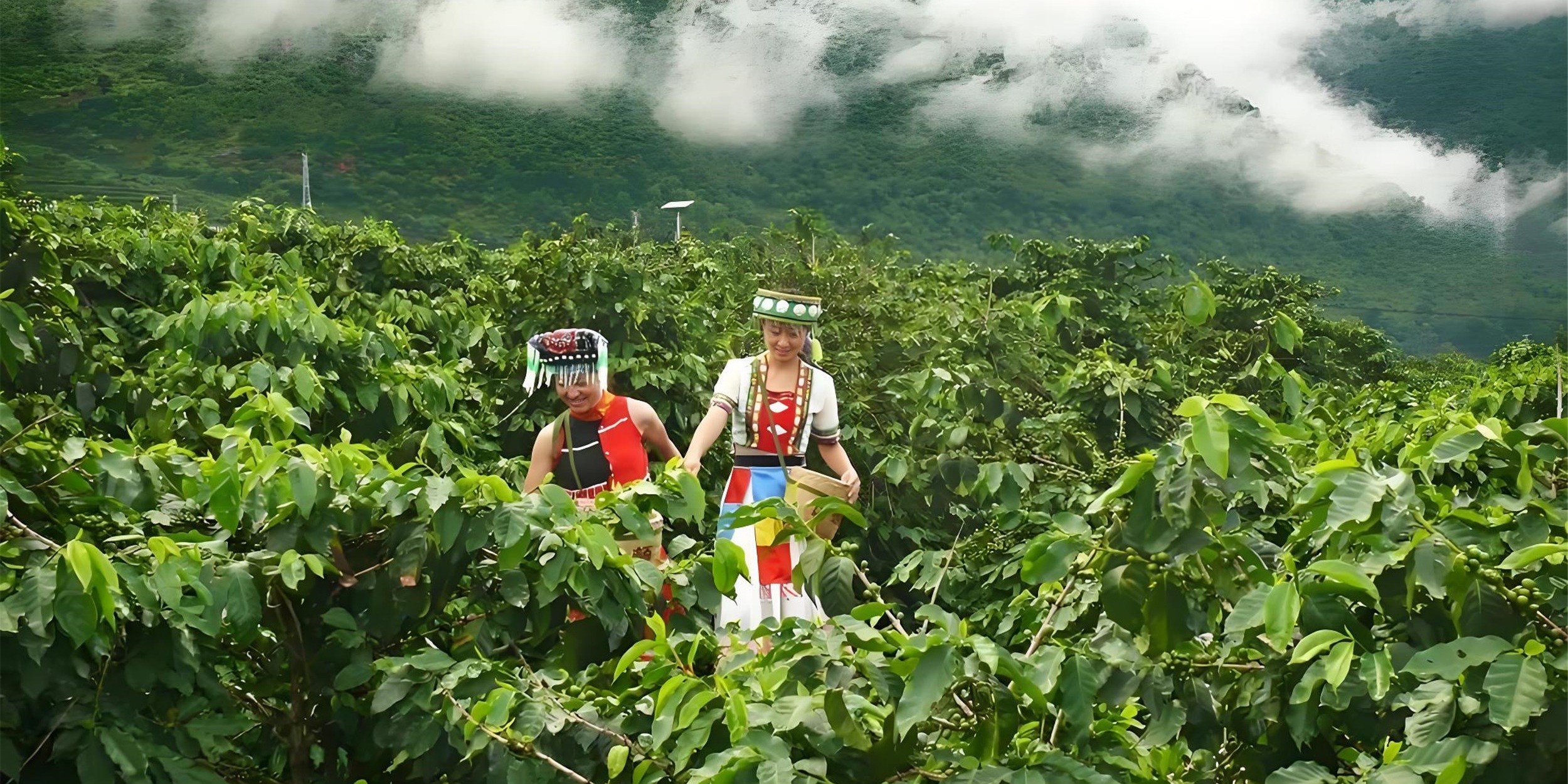
厦门快速扩容的咖啡大市场,也为国产咖啡豆找到了新的机遇,今年年初,首趟云南咖啡专列直达厦门,打通国内优质产区与东南沿海加工基地的快速通道。而在消费端之外,厦门的咖啡产业链还在向更深处延伸,就连咖啡渣也被重新利用——种多肉、做滤芯、制猫砂。
厦门市商务局副局长 林珍雅:在咖啡赛道里面也同样有这样的企业,绿色产品的落地是一种循环经济,同时也实现了碳减排目标。
一杯咖啡 情味相融
统计数据显示,厦门咖啡的产业规模已突破600亿元,正加速打造全国咖啡总部集群、国际咖啡贸易、东南沿海咖啡生产加工、全国咖啡流通消费“四大中心”。而在产业骨架之外,一杯咖啡里,人情味儿、文化味儿在这里交汇相融。
厦门市烘焙与咖啡协会的相关负责人告诉记者,当年鼓浪屿上的领事馆,把喝咖啡、办舞会的生活方式带了过来,慢慢就长在了厦门的土壤里。南洋华侨带回的咖啡习惯、闽南人日常的茶配点心,也都在这一杯里留下印记。厦门咖啡的滋味,从来都是多元文化交汇的结果。后来台资咖啡品牌相继落地,让这杯咖啡的滋味愈发醇厚。
厦门市烘焙与咖啡协会会长 曾华山:厦门为什么那么多台湾同胞,因为这个城市的温度和包容,我们同是一条根。
在鼓浪屿,台商陈芳瑜2014年从台南来到厦门。祖籍就在九龙江对岸,1989年他曾随父亲回来寻根。地缘相近、文化相通,更有手足乡情,让他把创业第一站就选在了这里。2019年,他在鼓浪屿开了这家叫“甘丹”的咖啡馆——闽南语“简单”的谐音。但他没想到,这间小小的咖啡馆,连接着和他一样跨海而来的人——推门进来,喝一杯咖啡,然后找到关于“家”的记忆。
台商 陈芳瑜:我来鼓浪屿住第七年了,这个岛上非常多元,所以我也拍视频记录生活。有台胞带照片来寻根的,我告诉他们可以找派出所,大部分都能找到。
从台南到鼓浪屿,一杯咖啡连起了两岸的日常。
台资咖啡工厂总经理 王玙薇:咖啡行业发展更多元。现在喝咖啡讲究养生,搭中药、搭不同口味,对台湾来讲,也是新旧融合。
从鼓浪屿的百年侨乡底色,到两岸咖啡人的交融互鉴,一杯咖啡里装的,从来不只是咖啡本身。它是南洋归侨行囊里的独特香气,是闽南茶配点心的回甘,也是台南到鼓浪屿那句“我回来了”的寻根记忆。如今这杯带着温度的咖啡,早已不只是本地人的日常生活,更顺着厦门的贸易航线,走向了更远的地方。
(总台央视记者 梁铮铮 曹岩 李晶晶 韩志涛 厦门台)
In Xiamen, Fujian, the density of coffee shops ranks among the top in the country, with over 2000 coffee shops of various types. Xiamen, which produces almost no coffee beans, has created a billion dollar scale industrial chain for coffee consumption. Where does the vitality of the consumer end come from? Today, we visited Xiamen, Fujian for our research tour on 'Vibrant China'.
CCTV reporter Li Jingjing: Twenty years ago, this Y ú n D ā ng Road was the earliest coffee street in Xiamen. Nowadays, there are an average of 7 coffee shops per square kilometer in the city. How many different types of coffee can be brewed in Xiamen?
Coffee shops can be seen everywhere on Xiamen Island. More than twenty years ago, a coffee shop opened in Xidi Villa by the banks of Dongdang Lake. That year, a cup of coffee cost 25 yuan, and the monthly salary of Xiamen people was only eight or nine hundred yuan.
Liu Lijuan, Deputy General Manager of the Coffee Shop: Initially, there were a lot of foreign customers, and the customer base was positioned as overseas returnees, white-collar workers, and private enterprise owners.
This is the "origin" of coffee consumption in Xiamen - starting from high-end niche. But today, coffee is no longer just "something for foreigners to drink", nor is it high-end consumer goods. Cafes in Xiamen are using various ways to make this "imported drink" grow local flavor.
In Shapowei, a coffee shop that has transformed from a traditional supermarket into a trial run has added the familiar satay sauce of Minnan people to its latte, attracting many young people to come and check in.
Guest: There is a feeling of eating sand tea hotpot and drinking milk. I think it's quite compatible, it's salty and sweet.
Coffee shop manager Zhu Sisi: We have been looking for Minnan flavors and turning various childhood flavors into coffee, reflecting a state that is suitable for all ages.
Taste localization, the scene is also changing. At Jimei Dashe, in the nearly century old overseas Chinese mansion Wenque Building, Minnan tea drinks, Nanyang style, and boutique coffee blend together.
Out of town tourists: Drinking coffee in a relatively iconic building feels relaxed and comfortable.
The creativity of young people is redefining the "gameplay" of coffee. This coffee shop, which often waits in line, has a bar counter placed in the center of the store after 2000, showcasing its products like a stage. The menu is updated quarterly. Some of the special notes have added mustard, while others have been blended with cinnamon and star anise.
Coffee shop manager Wu Yujie: There is too much homogeneity in the market, and we want to find some niche flavors. There are currently no flavors that compete with us, so our customer base will be more stable.
Industry insiders have observed that Xiamen's coffee supply is becoming more refined in response to the diversification of consumer demand.
Zeng Huashan, President of Xiamen Baking and Coffee Association: Coffee is now divided into three standards. One way is to use software to order a cup, which may cost more than ten yuan, and directly deliver it to the downstairs of your office building; One way is for me to receive a friend today and go to a more stylish coffee shop; The third way is for me to go to a famous teacher and experience the essence of coffee.
More importantly, the vitality of the consumer end is also being transmitted upstream in the industrial chain. In a coffee roasting shop with a front and back factory, consumers can directly see the entire process from raw beans to brewing coffee.
Coffee shop manager Zhang Yunyan: Collect coffee beans from various real estate areas around the world in the store, and showcase them to consumers through good roasting and brewing. Coffee is not just a refreshing tool, it has many interesting flavors and stories.
A cup of coffee on the 'global' chain
China is one of the fastest-growing coffee consumption markets in the world, and every time consumers unlock a new flavor, they are driving the global supply chain. Nowadays, with coffee beans from about 25 countries and regions gathering in Xiamen, this city that does not produce coffee beans has become an important gateway for global coffee beans to enter China and a key market in the global coffee "big market".
By 2025, Xiamen will import over 8700 tons of coffee beans with a value of over 400 million yuan, a year-on-year increase of over 68%. Among them, the value of coffee beans imported from Ethiopia was 267 million yuan, a year-on-year increase of over 31 times, and the import volume of coffee beans in Xiamen accounted for a quarter of the country's total.
Chen Haojian, the head of the Inspection Department of Haicang Customs under Xiamen Customs, said that the fastest time from arrival at the port to entry into the warehouse can be around 24 hours.
According to statistics from Xiamen Customs, 5500 tons of coffee beans will be allocated for bonded import by 2025. Customs clearance, testing, and warehousing are interrelated, and Xiamen's coffee import channels are accelerating comprehensively. Coffee beans from all over the world are roasted, processed, and branded every day in Xiamen, providing a diverse consumer market in China and even globally with new formats and gameplay.
Lin Zhenya, Deputy Director of Xiamen Municipal Bureau of Commerce: Among the four imported coffee beans in China, one is imported by Xiamen enterprises. Through the distribution and distribution of coffee beans here, a center for transit trade is created.
This Taiwanese electronics company, which established a factory in Xiamen in 1992, transformed into the first factory in Xiamen to independently import raw beans in 2018.
Wang Qianwei, General Manager of Taiwan funded Coffee Factory: At that time, the average annual consumption per capita in China was less than 10 cups. Europe, America, Japan, and South Korea have an average annual consumption of 300 to 500 cups per person, and the domestic coffee industry is just in the takeoff stage.
Nowadays, this enterprise has a processing capacity of 300 tons of high-quality green beans per year and is cultivating professional talents for the society.
A leading enterprise has surpassed 30000 global coffee stores and signed a five-year, 240000 ton coffee bean purchase order worth billions with Brazil.
And more Xiamen coffee supply chain enterprises are extending their tentacles directly to the production areas and establishing first-hand procurement networks.
Wu Yawen, head of the Procurement and Development Department of Xiamen Jianfa Life Materials Co., Ltd.: The team has overseas personnel stationed in Brazil, Vietnam, and Ethiopia to directly negotiate with local top exporters and rural cooperatives.
The 'strong chain' is also reflected in the coffee utensil manufacturing industry. This coffee utensil company was founded in Shanghai and moved its headquarters to Xiamen four years ago. The grinder is exported to more than 100 countries and regions.
Wu Jiajia, head of new media at a coffee utensil company: The traditional high-end market is dominated by old foreign brands, but we have our own drilling and grinding core performance, benchmarking against top foreign brands and even surpassing them. The product has won the Red Dot Design Award.
The rapidly expanding coffee market in Xiamen has also found new opportunities for domestic coffee beans. At the beginning of this year, the first Yunnan coffee train directly arrived in Xiamen, connecting high-quality production areas in China with processing bases along the southeast coast. Beyond the consumer end, Xiamen's coffee industry chain is still extending deeper, even coffee grounds are being reused - growing succulents, making filters, and making cat litter.
Lin Zhenya, Deputy Director of Xiamen Municipal Bureau of Commerce: There are also such enterprises in the coffee industry. The implementation of green products is a form of circular economy and has also achieved carbon reduction targets.
A cup of coffee blends the flavors together
Statistics show that the coffee industry scale in Xiamen has exceeded 60 billion yuan, and is accelerating the construction of the "four major centers" of national coffee headquarters cluster, international coffee trade, southeast coastal coffee production and processing, and national coffee circulation and consumption. Beyond the industrial framework, in a cup of coffee, human touch and cultural flavor intersect and blend together here.
The relevant person in charge of Xiamen Baking and Coffee Association told reporters that the consulate on Gulangyu brought the lifestyle of drinking coffee and hosting dance parties, and gradually grew in the soil of Xiamen. The coffee habits brought back by overseas Chinese in Nanyang and the daily tea and Dim sum of Minnan people also left their marks in this cup. The taste of Xiamen coffee has always been the result of the intersection of diverse cultures. Later, Taiwanese coffee brands landed one after another, making the taste of this cup of coffee even richer.
Zeng Huashan, President of Xiamen Baking and Coffee Association: Why are there so many Taiwanese compatriots in Xiamen? Because of the warmth and inclusiveness of this city, we share the same roots.
On Gulangyu Island, Taiwanese businessman Chen Fangyu came to Xiamen from Tainan in 2014. His ancestral home is across the Jiulong River. In 1989, he returned with his father to search for his roots. Geographically close, culturally connected, and with a strong sense of brotherhood, he chose this place as his first stop for entrepreneurship. In 2019, he opened a coffee shop called "Gandan" on Gulangyu Island - a homophone of "simple" in Minnan dialect. But he didn't expect that this small caf é was connected to people like him who came across the sea - pushing the door in, having a cup of coffee, and then finding memories about 'home'.
Taiwanese businessman Chen Fangyu: I have been living on Gulangyu Island for seven years now. This island is very diverse, so I have also filmed videos to record my life. Some Taiwanese brought photos to search for their roots, and I told them they could look for the police station, and most of them could be found.
From Tainan to Gulangyu, a cup of coffee connects daily life on both sides of the Taiwan Strait.
Wang Qianwei, General Manager of Taiwan funded Coffee Factory: The coffee industry is developing more diversely. Nowadays, drinking coffee emphasizes health preservation, pairing it with traditional Chinese medicine and different flavors. For Taiwan, it is also a fusion of old and new.
From the century old hometown of overseas Chinese on Gulangyu Island to the fusion and mutual learning of coffee lovers on both sides of the Taiwan Strait, what is contained in a cup of coffee is never just the coffee itself. It is the unique fragrance in the travel bags of returned overseas Chinese in Nanyang, the sweet return of Minnan tea with Dim sum, and the root seeking memory of the sentence "I'm back" from Tainan to Gulangyu. Nowadays, this cup of coffee with warmth is no longer just a daily life for locals, but has also traveled further along Xiamen's trade routes.
(CCTV reporter Liang Zhengzheng, Cao Yan, Li Jingjing, Han Zhitao Xiamen channel)