中年危机下的蜜雪冰城,能否靠咖啡续命Can Honey Snow Ice City survive on coffee during the midlife crisis
来源:界面新闻 文|亮相财经
2026年8月,蜜雪集团发布中期财报,营收仍在缓慢增长,利润却已悄然回落,供应链升级的阵痛与外卖混战的外部冲击,同时影响着这张报表。
蜜雪冰城的品牌版图虽在扩大,但增长几乎全靠国内下沉市场苦撑,在海外不仅未能取得突破,反而明显收缩。
蜜雪冰城茶饮主业的故事,已经接触到它的天花板。
于是蜜雪集团转向咖啡业务。蜜雪旗下“幸运咖”门店数量正以肉眼可见的速度增长,并已向海外开拓,试图在茶饮之外讲出一个新故事。
但在咖啡赛道,瑞幸与库迪早已筑起坚实的壁垒。
茶饮领域,蜜雪曾以极致低价在茶饮领域取得成功,而在咖啡领域,这套旧的商业逻辑可能难以复用。
01 雪停了
在全国各个城市的街头走一走,蜜雪冰城门店随处可见,可蜜雪集团中期财报显示,上半年营收152.16亿元,净利润23.19亿元,同比下滑14.68%,毛利率回落至30.4%,同比下降1.2个百分点。
利润端双双下降,集团的利润去哪了?蜜雪集团给出了两个解释。
首先来自主动的改变,也就是真鲜纯供应链升级。无论是鲜果、鲜奶还是真茶,要新鲜,就得有产地仓,有冷链,有离门店更近的分仓,这些字眼背后是依靠真金白银搭建起来的生产基地和仓储配送网络。东西更好了,账也更多了,毛利率在主动升级的过程中被吃掉一块。
另外一个是被动的影响,去年“外卖大战”打得太凶,上观新闻在2025年7月报道了当时的情况,一位店员说起那个周末:“美团团购比店里便宜,抖音有1分钱的活动,京东5元2杯还包配送。”平台各砸各的钱,店里的出票机不停运转,小票堆到地上。
骑手对这段经历有更深的感受,外卖员刘辉记得,他配送的40多个订单里,超过四分之一实付价只有1元多。平时站点一天接到的蜜雪订单大约200到300单,那个周末,数字直接翻到600单以上。
在这场“外卖大战”中,平台的补贴和满减把基数垫得高高的,今年潮水退去,对比起来品牌财报数据自然难看。
还要把镜头再拉远一点,蜜雪的主业,本质是一门to B的生意,因为超九成的收入,来自向加盟商卖食材、设备以及服务。门店每多开一家,就多一个稳定进货的下家。蜜雪的成长,说到底来自加盟商数量的成长,可这几年加盟商的日子也在变紧。
2025年3月3日,蜜雪冰城正式登陆港交所,以“全球现制饮品行业第一”的身份开启资本市场新征程。
但赢商网当时的一篇报道,展现了蜜雪加盟商的真实处境,一位在三线城市开店的加盟商王文杰谈及门店经营情况,他表示:“现在开蜜雪非常看位置,在店越铺越密的情况下,现在开新店基本上挣得都很少,而且随着水果、茶叶等物料的上涨,利润在不断被压缩。”
同一条街上奶茶店越开越密,单店营业额在减少,回本周期越拉越长。当开店的收益变少,加盟商就会用脚投票,这比财报上的数字更值得警惕。
蜜雪的整体市场情况同样不容乐观,蜜雪是靠开更多的店成长起来的,商业街、十字路口、学校旁边、工业区的夜市,红色的招牌一亮相,营业额就来了,但是国内的下沉市场即便再大也是有限的,能渗透的地方,基本都被雪王渗透完了。
而海外门店数量出现回调,出海的节奏也慢了下来。
前几年蜜雪冰城在东南亚风光一时,越南和印尼街头红招牌连成片,但现在面临其它本土品牌的竞争,同时考虑到国际经营的成本,挑战才真正到来。
02 换杯咖啡
蜜雪集团如何迎接挑战?他们自信地选定了方向,答案写在财报里最亮的那一行——咖啡。
为什么偏偏是咖啡?首先,蜜雪的看家本领是成熟的供应链和低价,集团认为这在咖啡身上几乎可以做到无缝复用,冷链和仓储都是现成的。所以他们与巴西签下的四十亿元采购大单里,大部分就是咖啡豆,海南新投产的烘焙基地,产能一上来就是两万吨级。
现制咖啡是少数还在扩容的赛道,市场规模逼近两千五百亿,年增速近两成。
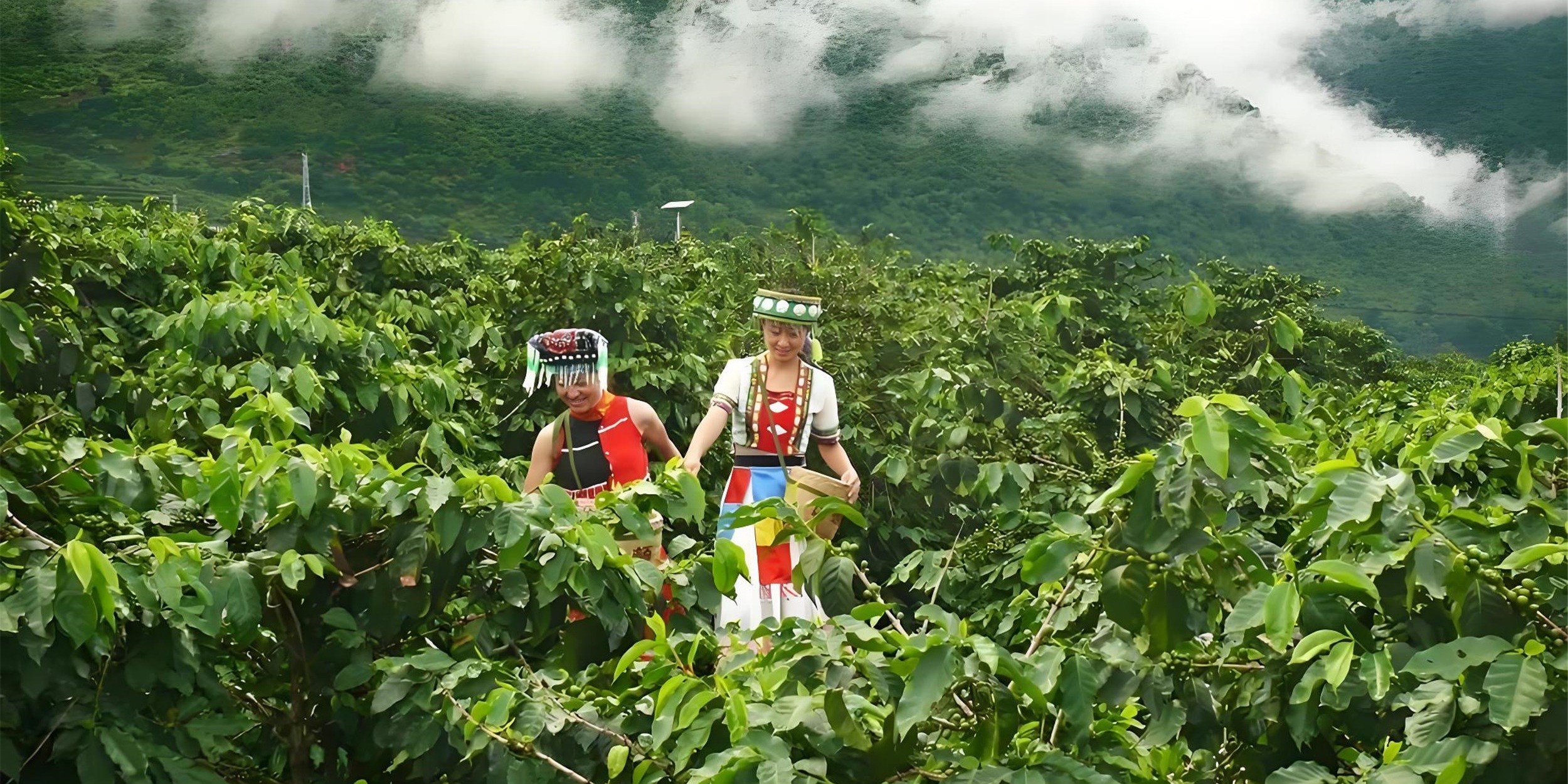
很多人不熟悉蜜雪的咖啡品牌,但“幸运咖”其实已经成长了很多年。据新华网、澎湃新闻等媒体报道,“幸运咖”于2017年开始孵化,走的是和蜜雪冰城一样的“农村包围城市”路线,七成门店开在三线以下城市,定价在6-8元。2025年11月门店数突破万家,随后马来西亚、泰国陆续开店。
虽然咖啡是蜜雪在当下阶段正在快速变大的那块版图,但是这一处增长恐怕难以扭转全局的颓势。一位曾开了8家幸运咖的河南加盟商表示,幸运咖的单杯利润在1元左右,据他了解,瑞幸和库迪的利润均高于幸运咖。
幸运咖门店数量正在高速增长,出海计划已经启动,咖啡成了蜜雪集团的核心增量业务。战略逻辑很简单,那就是茶饮主业给不了的增长,去别的品类找,与其在一条见顶的赛道上继续内卷,不如把新一轮投资押在第二条增长曲线上。
配套动作都在跟进。蜜雪的咖啡供应链在升级,仓储网络在铺,在集团看来,这是一笔典型的先亏后赚的账,牺牲眼下的利润,换以后的增长。
但资本与市场都非常务实,蜜雪集团发布财报之后股价照跌。
道理不复杂,蜜雪集团讲的这个故事,各类消费公司几乎都讲过——现在花钱,是为了以后挣大钱。至于时间需要多久,能挣多少,财报给不出答案。
03 苦味悠长
咖啡在中国早就不是空白市场,该开的店开过了,该发的券发过了,红利被消化得差不多了。
星巴克教育了第一批喝咖啡的人,瑞幸把咖啡普及到了写字楼和县城,库迪再用价格把体系彻底打穿,三拨人各占一层,蜜雪此时入场,只剩夹缝容身。
赛道之外,用户心智的培养也是一道坎。瑞幸、库迪这些年把专业咖啡品牌的标签焊得很死,提及咖啡,用户想起的是生椰拿铁和瑞幸的优惠券,而蜜雪在几亿消费者心里,是那杯几块钱的柠檬水。
蜜雪的品牌认知是从平价奶茶中来的,就算消费者顺带买一杯他的咖啡,想培养粘性用户还是相当困难。蜜雪的咖啡品牌幸运咖比瑞幸的产品还便宜一截,但只有便宜还吸引不了足够多的用户。
落到产品上,差距更为直观。瑞幸像是一台爆款机器,成果惊人。2021年4月,它把椰浆灌进咖啡,做出一杯生椰拿铁,当时没几个人在意,五年过去,这杯咖啡在全球门店累计卖出超过20亿杯。
为了这一杯咖啡,瑞幸在印尼包下一整座群岛当专属椰林,在青岛、昆山、福建屏南、厦门铺了四座烘焙基地,连椰浆都要求1小时冷榨锁鲜。
这不只是营销话术,还体现了供应链的实力。对照之下,幸运咖2017年就成立了,比瑞幸那杯生椰拿铁问世还早,可它自己的椰椰拿铁直到2022年才推出。
瑞幸的产品像流水线一样往外冒,一年上百款新品轮番试错,销售数据会告诉它哪一款值得放大;蜜雪的茶饮基因是做大单品和长周期经营,习惯了一年憋几个爆款,在咖啡这种拼迭代速度的赛场,节奏本身就慢半拍。
有了产品,营销这一环必不可少,而在这方面两边完全不是一个量级。瑞幸的联名,是赋予产品社交属性的典范。
2023年它和茅台联名推出酱香拿铁,首日卖出542万杯,单日销售额破亿,19块钱一杯的“人生第一杯茅台”刷爆朋友圈,喝完能不能开车直接吵上热搜。
它还跟椰树联名做椰云拿铁,跟线条小狗出杯套周边,每一次都是全网讨论。蜜雪也联名,与中国邮政合作开了联名店,网友玩梗说它入编了,当时很热闹,但没人记得那杯咖啡叫什么。蜜雪能让用户记住会玩梗的雪王,但很少有人认为他咖啡做得好。
至于价格,那本是蜜雪的看家本领,可库迪和瑞幸已经把平价咖啡做成了常态,更关键的是,对手的低价背后有数字化和供应链兜底。
瑞幸全球门店已超3.5万家,App里沉淀着几千万用户,每一杯的原料成本也降到了最低。而幸运咖直到2025年底门店数才刚破万,比对手差了不止一个身位。
当所有人都使用低价策略时,低价就不再是壁垒,只是入场券。
茶饮这杯,已经喝到底;咖啡这杯,喝下去的第一口就是苦的,它是蜜雪集团现在找到唯一的自救路径,但不一定是翻盘的底牌。
短期内的投入很难兑现成利润,长期看,需要在用户心智、产品质量、运营体系上追上先发者,每一关都不好过。
六万多家门店的红色招牌还在往下沉市场蔓延,雪王的玩偶还在店门口挥手,只是后续递出来的,不再只有熟悉的柠檬水了。
至于蜜雪冰城端出的这杯咖啡到底滋味如何,还需时间给出答案。
Source: Interface News Article | Debut in Finance
In August 2026, Meixue Group released its interim financial report, which showed that revenue was still slowly growing, but profits had quietly fallen. The pain of supply chain upgrading and the external impact of the food delivery battle also affected this report.
Although the brand map of Meixue Ice City is expanding, its growth is almost entirely supported by the domestic sinking market. It has not only failed to make breakthroughs overseas, but has also significantly shrunk.
The story of the main business of Meixue Ice City tea drinks has reached its ceiling.
So Miyuki Group turned to the coffee business. The number of "Lucky Coffee" stores under Meixue is growing at a visible rate and has expanded overseas, attempting to tell a new story beyond tea drinks.
But in the coffee track, Luckin Coffee and Kudi have already built a solid barrier.
In the tea beverage industry, Meixue has achieved success with extremely low prices, but in the coffee industry, this old business logic may be difficult to reuse.
01 The snow has stopped
Taking a walk on the streets of various cities across the country, you can see Meixue Ice City stores everywhere. However, according to the mid-term financial report of Meixue Group, its revenue in the first half of the year was 15.216 billion yuan, with a net profit of 2.319 billion yuan, a year-on-year decrease of 14.68%. The gross profit margin fell back to 30.4%, a year-on-year decrease of 1.2 percentage points.
Both profit margins have declined, where has the group's profit gone? Meixue Group provided two explanations.
Firstly, it comes from proactive changes, that is, upgrading the supply chain of Zhenxian Pure. Whether it's fresh fruit, fresh milk, or real tea, to be fresh, there must be a production warehouse, a cold chain, and a branch warehouse closer to the store. Behind these words are production bases and warehousing distribution networks built with real money and silver. Things have improved, accounts have increased, and the gross profit margin has been eaten up in the process of actively upgrading.
Another is the passive influence. Last year, the "take out war" was too fierce. Shangguan News reported the situation in July 2025. A clerk said about that weekend: "Meituan group purchase was cheaper than the store. Tiktok had a one cent activity, and Jingdong paid 5 yuan and 2 cups for delivery." The platform threw money at each other, the ticket machine in the store kept running, and small tickets piled on the ground.
The rider has a deeper understanding of this experience. Delivery driver Liu Hui remembers that out of the more than 40 orders he delivered, over a quarter were paid for just over 1 yuan. Normally, the station receives around 200 to 300 orders of honey snow per day, but over the weekend, the number skyrocketed to over 600 orders.
In this' food delivery war ', the platform's subsidies and discounts have raised the base high, but this year the tide has receded, and compared to brand financial report data, it is naturally ugly.
We need to zoom in a little further. Honey Snow's main business is essentially a B2B business, as over 90% of its revenue comes from selling ingredients, equipment, and services to franchisees. For every additional store opened, there is an additional stable source of inventory. The growth of Mixue ultimately comes from the increase in the number of franchisees, but in recent years, the lives of franchisees have also become tighter.
On March 3, 2025, Honey Snow Ice City officially landed on the Hong Kong Stock Exchange, embarking on a new journey in the capital market with the identity of "the world's leading freshly made beverage industry".
But a report from Yingshang.com at that time showed the real situation of Mixue franchisees. Wang Wenjie, a franchisee who opened a store in a third tier city, talked about the operation of the store. He said, "Nowadays, opening Mixue depends very much on the location. In the situation where the store becomes denser and denser, opening a new store basically earns very little, and with the rise of materials such as fruits and tea, profits are constantly being compressed
The more milk tea shops open on the same street, the more frequent they are, and the single store turnover is decreasing, resulting in a longer payback period. When the revenue from opening a store decreases, franchisees will vote with their feet, which is more alarming than the numbers on financial reports.
The overall market situation of Meixue is also not optimistic. Meixue has grown by opening more stores, such as commercial streets, intersections, night markets next to schools, and industrial areas. As soon as the red signs appear, the revenue comes. However, even if the domestic sinking market is large, it is limited. The places that can be penetrated are basically penetrated by Xuewang.
However, the number of overseas stores has decreased, and the pace of going global has also slowed down.
A few years ago, Meixue Ice City was popular in Southeast Asia, with red street signs connecting Vietnam and Indonesia. However, now facing competition from other local brands and considering the cost of international operations, the challenge has truly arrived.
02 Change cup of coffee
How does Meixue Group face challenges? They confidently chose their direction, and the answer was written in the brightest line of the financial report - coffee.
Why is it coffee? Firstly, Meixue's strengths lie in a mature supply chain and low prices. The group believes that this can be seamlessly reused in coffee, with both cold chain and warehousing readily available. So most of the 4 billion yuan purchase order they signed with Brazil is coffee beans. The newly put into operation baking base in Hainan has a production capacity of 20000 tons from the beginning.
Ready made coffee is one of the few tracks that is still expanding, with a market size approaching 250 billion and an annual growth rate of nearly 20%.
Many people are not familiar with Meixue's coffee brand, but "Lucky Coffee" has actually grown for many years. According to media reports such as Xinhua News Agency and The Paper, "Lucky Coffee" began incubating in 2017, following the same "rural encirclement of the city" route as Honey Snow Ice City. 70% of its stores are located in third tier or lower tier cities, priced at 6-8 yuan. By November 2025, the number of stores will exceed 10000, followed by opening stores in Malaysia and Thailand.
Although coffee is the rapidly growing territory of Meixue at this stage, the growth in this area may not be able to reverse the overall decline. A Henan franchisee who has opened 8 lucky cafes said that the single cup profit of lucky cafes is around 1 yuan. According to his understanding, Luckin and Kudi both have higher profits than lucky cafes.
The number of Lucky Coffee stores is growing rapidly, and the overseas plan has been launched. Coffee has become the core incremental business of Meixue Group. The strategic logic is simple, which is to seek growth in other categories that the tea beverage industry cannot provide. Instead of continuing to compete on a peak track, it is better to invest in the second growth curve for a new round of investment.
The supporting actions are all being followed up. Mixue's coffee supply chain is upgrading and its warehousing network is expanding. In the group's view, this is a typical case of losing first and then making profits, sacrificing current profits for future growth.
But both capital and the market are very pragmatic, and after the release of the financial report, the stock price of Meixue Group fell sharply.
The reason is not complicated. The story told by Meixue Group has been told by almost all kinds of consumer companies - spending money now is to make big money in the future. As for how long it will take and how much can be earned, the financial report cannot provide an answer.
03 Long bitter taste
Coffee is no longer a blank market in China. The stores that should have been opened and the coupons that should have been issued have been distributed, and the dividends have been almost digested.
Starbucks educated the first group of coffee drinkers, Luckin Coffee popularized coffee in office buildings and county towns, Kudi thoroughly penetrated the system with prices, and three groups of people each occupied one floor. At this time, Miyuki entered the market, leaving only a gap to accommodate herself.
Beyond the race track, cultivating user mindset is also a hurdle. Luckin Coffee and Kudi Coffee have welded the labels of professional coffee brands to death in recent years. When it comes to coffee, users think of coconut latte and Luckin Coffee coupons, while in the hearts of hundreds of millions of consumers, Milkshire is like a few yuan glass of lemonade.
Mixue's brand recognition comes from affordable milk tea, and even if consumers buy a cup of his coffee by the way, it is still quite difficult to cultivate loyal users. Honey Snow's coffee brand Lucky Coffee is even cheaper than Luckin Coffee's products, but just being cheap is not enough to attract enough users.
When it comes to products, the gap becomes more apparent. Luckin is like a hot selling machine, with astonishing results. In April 2021, it poured coconut milk into coffee to make a raw coconut latte, which few people paid attention to at the time. Five years later, this cup of coffee has sold over 2 billion cups in stores worldwide.
For this cup of coffee, Luckin Coffee has set up an entire archipelago in Indonesia as its exclusive coconut grove, and has set up four roasting bases in Qingdao, Kunshan, Pingnan, Fujian, and Xiamen. Even the coconut milk requires one hour of cold pressing to preserve its freshness.
This is not just marketing rhetoric, but also reflects the strength of the supply chain. By contrast, Lucky Coffee was established in 2017, even earlier than Luckin Coffee's coconut latte, but its own coconut latte was not launched until 2022.
Luckin's products are like an assembly line popping out, with hundreds of new products being tested and tested every year. Sales data will tell it which one is worth scaling up; Honey Snow's tea drink genes are focused on producing large orders and long-term operations. They are accustomed to holding back a few popular products a year. In the fast-paced arena of coffee, the pace is already slow.
With a product, marketing is essential, and in this regard, the two sides are not at the same level. Luckin's collaboration is a model of endowing products with social attributes.
In 2023, it collaborated with Maotai to launch a sauce flavored latte, selling 5.42 million cups on the first day and exceeding 100 million yuan in daily sales. The "first cup of Maotai in life" priced at 19 yuan per cup went viral on social media, and whether one can drive after drinking it directly became a hot topic.
It also collaborates with Coconut Tree to make Coconut Cloud Latte, and collaborates with Line Dog to create cup sleeves around it. Every time, it is discussed online. Miyue also collaborated with China Post to open a joint store. Netizens joked that it had been included in the code, which was very lively at the time, but no one remembered the name of that cup of coffee. Honey Snow can make users remember Snow King who knows how to play jokes, but few people think his coffee is good.
As for the price, it was originally Meixue's expertise, but Kudi and Luckin Coffee have made affordable coffee the norm. More importantly, behind their competitors' low prices are digitalization and supply chain support.
Luckin Coffee has over 35000 global stores and millions of users in its app. The cost of raw materials for each cup has also been minimized. However, Lucky Coffee's store count only surpassed 10000 by the end of 2025, which is more than one position behind its competitors.
When everyone adopts a low price strategy, low price is no longer a barrier, but just a ticket to entry.
I have already finished drinking this cup of tea; The first sip of this cup of coffee is bitter. It is the only self rescue path that Honey Snow Group has found now, but it may not necessarily be the trump card to turn the tables.
Short term investments are difficult to turn into profits, and in the long run, it is necessary to catch up with the first mover in terms of user mindset, product quality, and operational system. Every level is not easy.
The red signs of more than 60000 stores are still spreading in the sinking market, and Snow King's dolls are waving at the store entrance, only to be handed over later, no longer just the familiar lemonade.
As for the taste of the coffee served by Meixue Ice City, it will take time to give an answer.
(Editor in charge: Li Rong)